Local
1,000 locals housed (and counting): How Truckee’s seven programs changed the housing narrative for local employees
Meet in Common connects news with real conversations. Use ThinkMatch to arrange a Roundtable and meet people to discuss this story.
Source: Sierra Sun
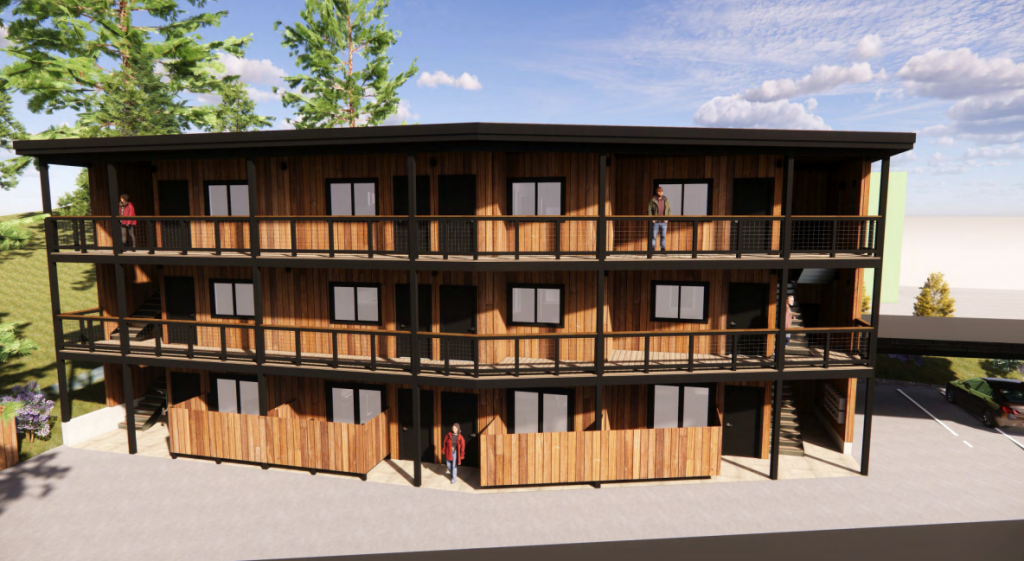
TRUCKEE, Calif. – Most Truckee residents aren’t eligible for state-funded affordable housing, but they often can’t afford the town’s skyrocketing housing prices either. So, six years ago, the town began creating its own workforce housing programs. Seven of them, to be exact. Since the first program began in 2020, Truckee’s programs have housed 1,171 locals in 419 units that were created, preserved or converted into local housing. Employees who work within the Tahoe Truckee Unified School District boundary make up 842 of the people housed. The town has also deed-restricted 871 units, or 6.2% of all units in town, aiming to create a secondary housing market that’s only accessible to permanent residents of moderate income. Its goal is to deed-restrict 10% of housing stock by 2032. The initiatives target the “missing middle” of people who don’t qualify for affordable housing but also can’t afford housing on the open market, said Lynn Baumgartner, Truckee’s housing program coordinator.
This excerpt comes from the named source. Read the original for the full reporting.
Read the original at Sierra Sun