Local
10th year of Light the World initiative launches, with most Giving Machine locations ever
A Roundtable is a way to meet new people and discuss this article in person at a local coffee shop or other venue.
Roundtables are designed for groups of four, with a shared subject and room for everyone to speak. Come for discussion, with no dating expectation.
Source: Church News
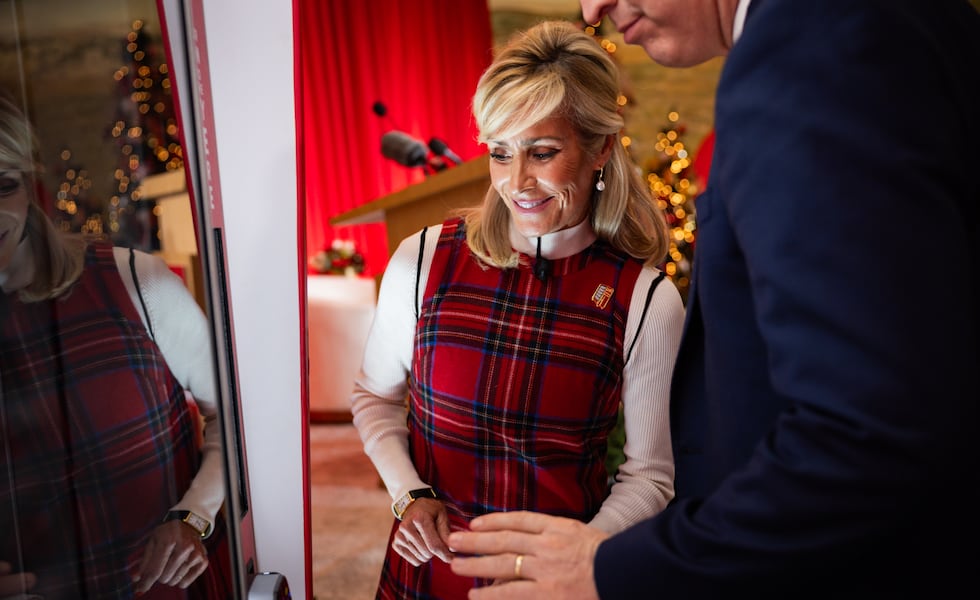
The Church of Jesus Christ of Latter-day Saints launched the 10th anniversary of its Light the World initiative on Tuesday, Nov. 17, with an invitation for all to “light the world” during the 2026 Christmas season through kindness, service and charitable giving. Sister Tamara W. Runia, first counselor in the Young Women general presidency, welcomed those in the audience in the Church Office Building in Salt Lake City and those watching a livestream. “Like the heavenly hosts written about in Luke 2:14, this Christmas season we proclaim, ‘Glory to God in the highest, and on earth peace, goodwill toward men,’” she said. “That is the focus of this year’s Light the World initiative — peace and goodwill toward all.” Since November 2017, the Light the World initiative has included Giving Machine kiosks — red vending machines that allow people to purchase something for someone else, with all proceeds going to charitable organizations and the Church paying all operating costs.
This excerpt comes from the named source. Read the original for the full reporting.
Read the original at Church News


