Local
19-year-old twin brothers seized by ICE in Alabama
Meet in Common connects news with real conversations. Use ThinkMatch to arrange a Roundtable and meet people to discuss this story.
Roundtables are designed for groups of four, with a shared subject and room for everyone to speak. Come for discussion, with no dating expectation.
Source: APR | Alabama Public Radio
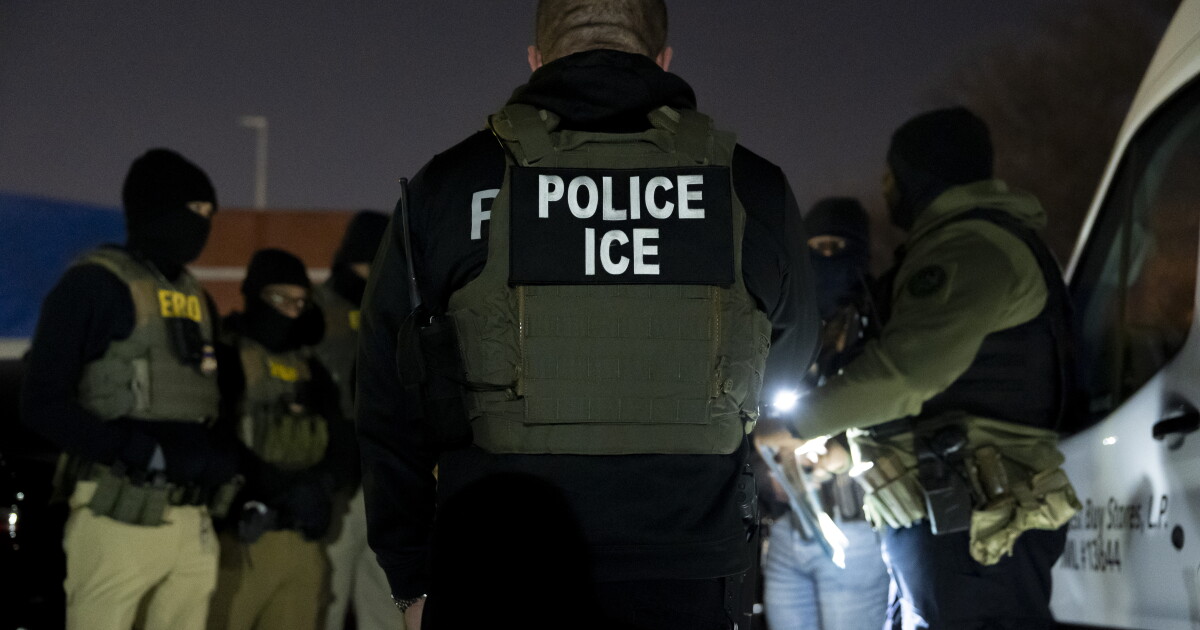
Facebook Twitter LinkedIn Email The brothers were headed back to college after visiting their parents when they were stopped in Lincoln, a small city in central Alabama, last Thursday. Luis and Carlos Orta-Santoro, 19-year-olds born in Venezuela and living in the U.S. for four years, are soccer players at Wallace State Community College in Hanceville, Alabama. They would have been preparing for a soccer championship game for Wallace State in a few days. Relatives say they have pending asylum applications, valid work permits, and no criminal records. Both are now in an immigration detention facility. The twins' parents say that the brothers were transferred from the Pickens County jail to an ICE detention facility in Louisiana. ICE records state that they are currently in Pine Prairie Ice Processing Center. “Our family is devastated,” said their aunt, Carolina Orta.
This excerpt comes from the named source. Read the original for the full reporting.
Read the original at APR | Alabama Public Radio


