Local
2026 hurricane season recap: El Niño fueled record-breaking activity in the Pacific but suppressed it in the Atlantic
A Roundtable is a way to meet new people and discuss this article in person at a local coffee shop or other venue.
Roundtables are designed for groups of four, with a shared subject and room for everyone to speak. Come for discussion, with no dating expectation.
Source: Meteored United States
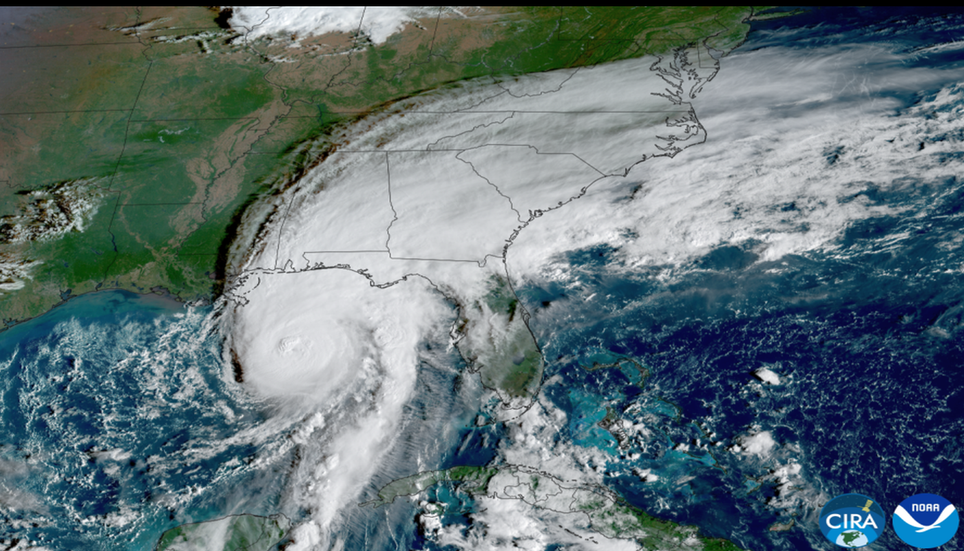
The 2026 hurricane season, which officially ends on November 30, will be remembered for the stark contrast between the Atlantic and Pacific basins, a clear indication of a hurricane season shaped by an exceptionally strong El Niño. Below-normal activity in the Atlantic basin was offset by above-average activity in the Pacific, including two disasters in Hawaii. Atlantic basin The Atlantic basin produced 10 named storms, one of which (Isaias) became a hurricane. Isaias was also the only major hurricane of the season, with maximum sustained winds of 120 mph. An average season has 14 named storms (winds of 39 mph or greater), seven hurricanes (winds of 74 mph or greater), and three major hurricanes (winds of 111 mph or greater). Tropical Storm Arthur kicked off the season, forming near the Texas coast on June 17, close to the average date for the development of the first tropical storm of the Atlantic hurricane season.
This excerpt comes from the named source. Read the original for the full reporting.
Read the original at Meteored United States


