Local
21 Brix vintner earns acclaimed diploma, certificate of merit
A Roundtable is a way to meet new people and discuss this article in person at a local coffee shop or other venue.
Roundtables are designed for groups of four, with a shared subject and room for everyone to speak. Come for discussion, with no dating expectation.
Source: Observer
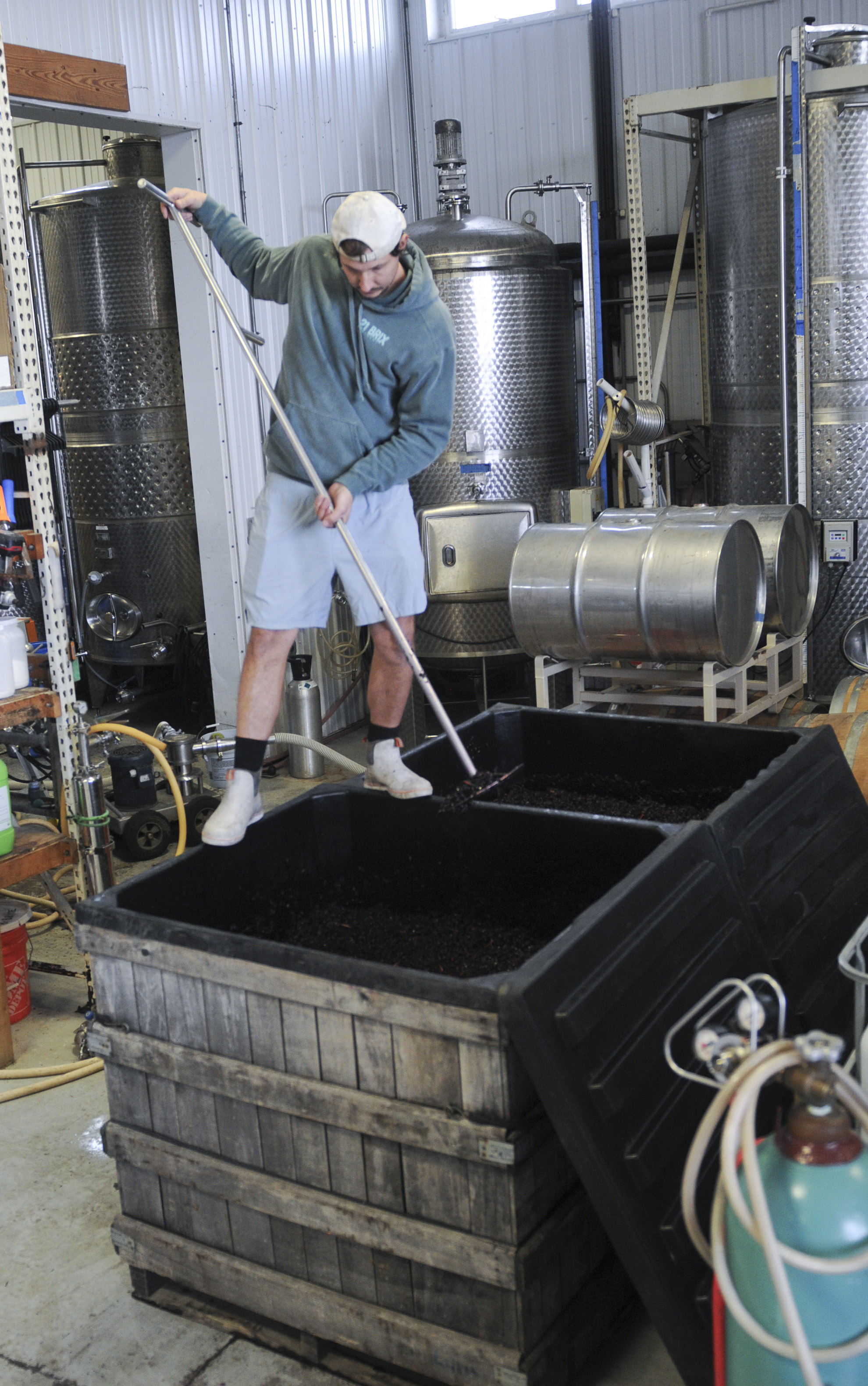
Little did Brian Barmore know in 2018 — when he and a friend dropped by 21 Brix Winery, Portland, on little more than a whim —- that he would one day be working there, learning all about wines, and ultimately earn one of the wine industry’s highest educational honors. So impressed with that winery visit, and with the tasting bar specialist, Chelsea, that he met, Barmore applied for a job on the winery’s production team. And soon enough, he became head winemaker and ultimately enrolled in the rigorous educational program conducted by the Wine & Spirits Educational Trust (WSET). The program is considered to be the gold standard of education within the industry. Barmore earned such a very high score in the final unit of the program’s Level Four curriculum to qualify for WSET’s acclaimed Certification of Merit. Fewer than 10 percent of enrollees reach this plateau. Only 15,000 people worldwide have reached that level since the WSET was founded in 1969.
This excerpt comes from the named source. Read the original for the full reporting.
Read the original at Observer