Local
22-year-old suspect shot by Warr Acres police after chase dies
Meet in Common connects news with real conversations. Use ThinkMatch to arrange a Roundtable and meet people to discuss this story.
Roundtables are designed for groups of four, with a shared subject and room for everyone to speak. Come for discussion, with no dating expectation.
Source: KOCO
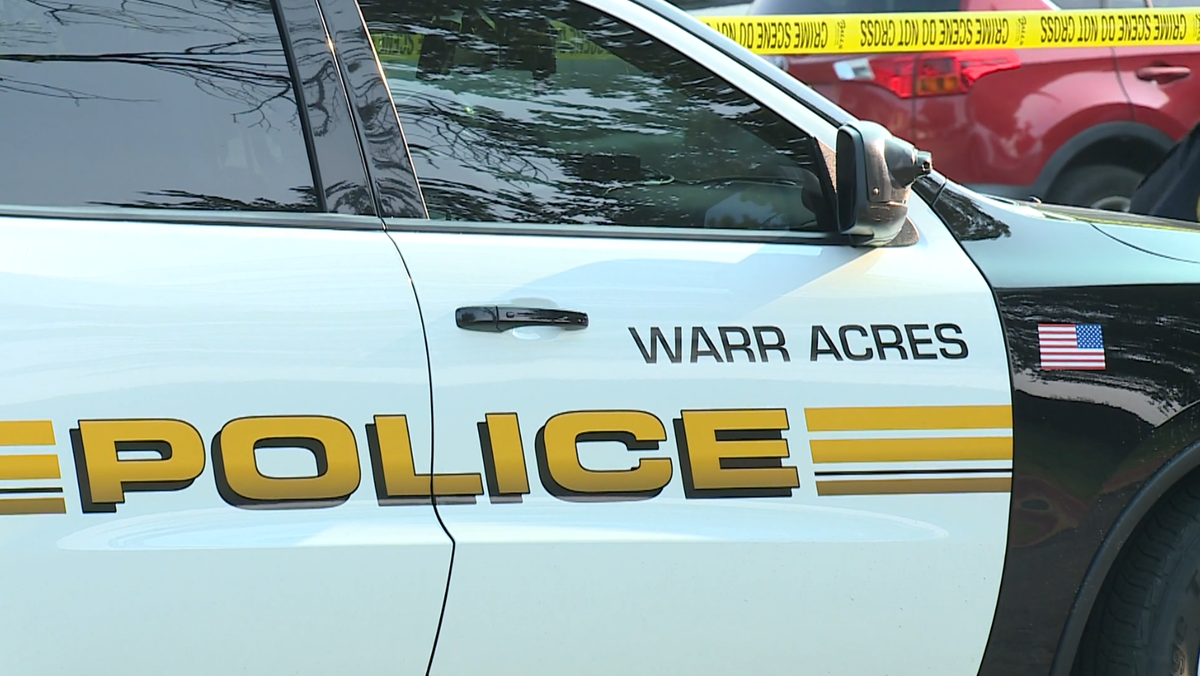
Authorities confirmed the death of a 22-year-old suspect who was shot by police after a chase in Warr Acres, with no officers injured in the incident. Authorities confirmed the death of a 22-year-old suspect who was shot by police after a chase in Warr Acres, with no officers injured in the incident. A suspect in Monday's officer-involved shooting in Warr Acres has died, according to an Oklahoma State Bureau of Investigation spokesperson. The spokesperson confirmed that 22-year-old Samuel Varelas Jr. was shot by police after a chase that ended with him crashing into a power pole and running into a nearby yard. Authorities said Varelas fired at officers during the incident. WATCH: Warr Acres neighbors describe waking to crash and gunfire after police pursuit No officers were hurt in the shooting. The officer who shot Varelas has been placed on routine administrative leave. The incident is still under investigation.
This excerpt comes from the named source. Read the original for the full reporting.
Read the original at KOCO