Local
28 things to do in Chicago Nov. 19-25
A Roundtable is a way to meet new people and discuss this article in person at a local coffee shop or other venue.
Roundtables are designed for groups of four, with a shared subject and room for everyone to speak. Come for discussion, with no dating expectation.
Source: Chicago Sun-Times
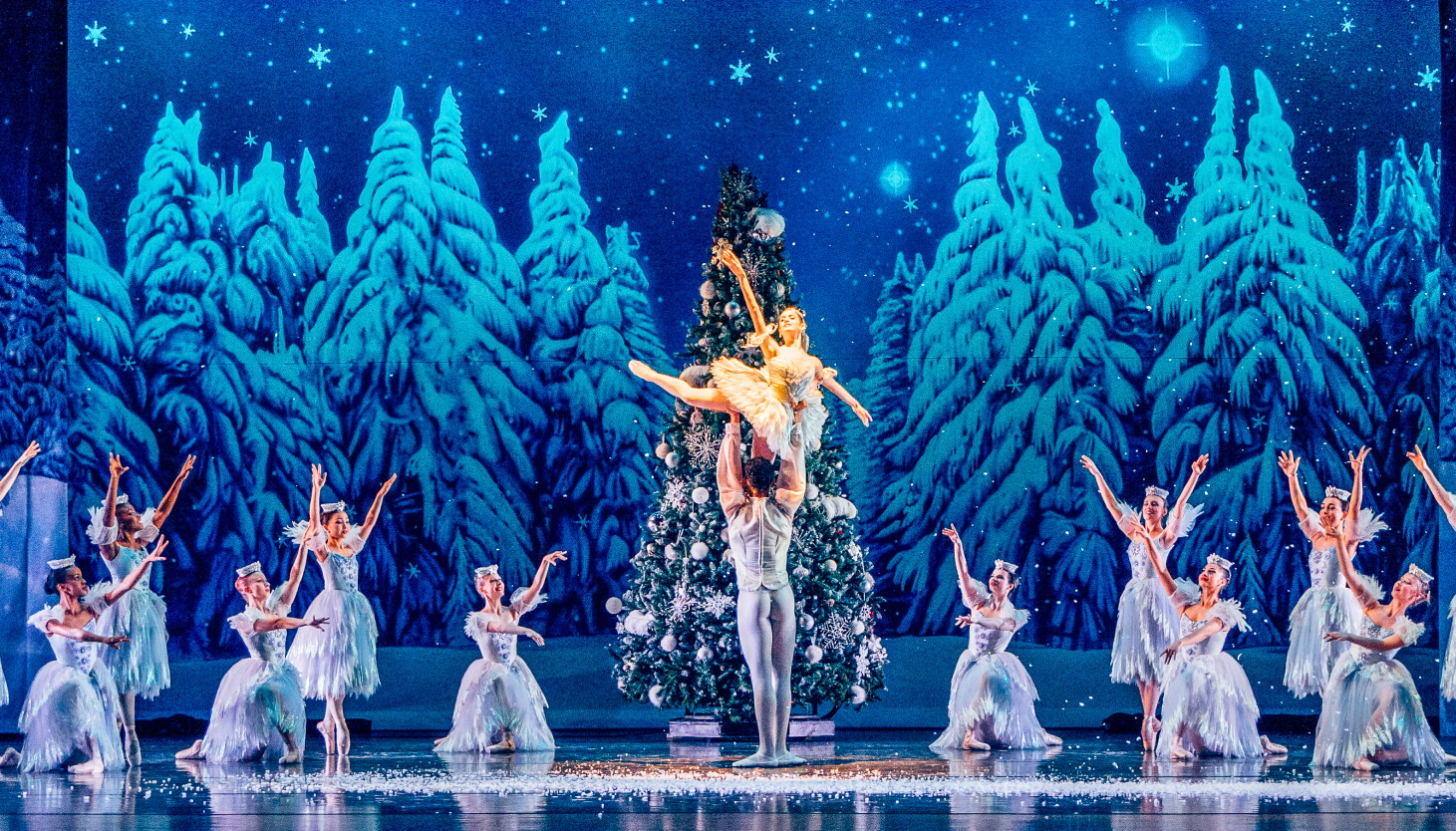
Theater Blue Man Group’s “A New Holiday Surprise” features holiday music performed on the group’s iconic custom instruments as the Blue Men discover the traditions and joyful absurdities of the holidays. From Nov. 24-Dec. 13 at CIBC Theatre, 18 W. Monroe St. Tickets: $39-$120. Visit broadwayinchicago.com. Now celebrating its 25th anniversary, “It’s a Wonderful Life: Live in Chicago!” is a 1940s radio broadcast adaptation of Frank Capra’s classic that has become a holiday tradition. Gwendolyn Whiteside directs. From Nov. 19-Dec. 27 at American Blues Theater, 5627 N. Lincoln Ave. Tickets: $34.50-$119.50. Visit americanbluestheater.com. “Mrs. Doubtfire” is the musical stage adaptation of the popular film about a man who after a divorce poses as a nanny to be near his kids — but he gets more than he bargained for. From Nov. 24-29 at Nederlander Theatre, 24 W. Randolph St. Tickets: $43-$121. Visit broadwayinchicago.com.
This excerpt comes from the named source. Read the original for the full reporting.
Read the original at Chicago Sun-Times


