Local
3M settles chemical contamination claims for $7.35B, while admitting no guilt
Meet in Common connects news with real conversations. Use ThinkMatch to arrange a Roundtable and meet people to discuss this story.
Source: Pine and Lakes Echo Journal
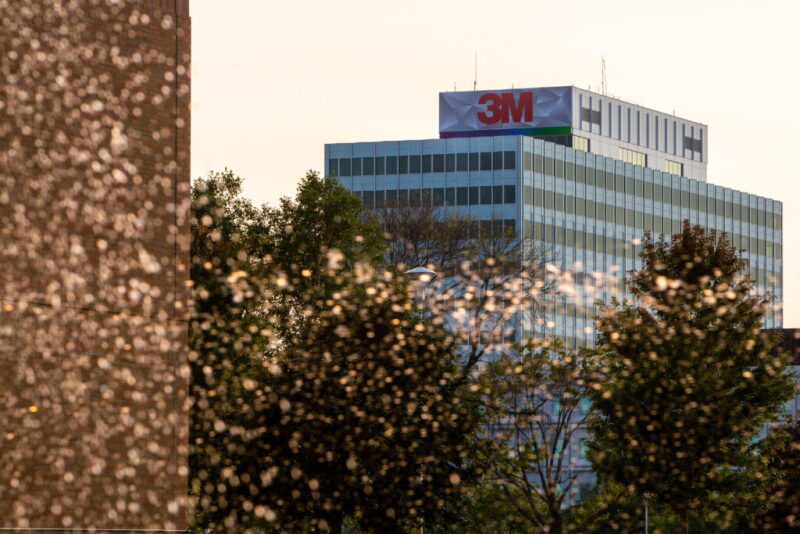
MAPLEWOOD, Minn. — 3M, which is responsible for widespread groundwater contamination from so-called forever chemicals in the eastern Twin Cities metro, will pay $7.35 billion to settle the vast majority of outstanding personal injury claims against it. The Minnesota corporate behemoth and a group of plaintiffs’ lawyers announced the settlement on Nov. 3. As many as 120,000 people who say they were injured by PFAS and similar chemicals in firefighting foam, drinking water and other sources could be eligible for compensation under the agreement. The plaintiffs’ lawyers said the settlement was a long time in coming. “For the thousands of victims who have sought answers and accountability for nearly a decade, 3M’s $7.35 billion settlement is welcome news” and a “favorable result for victims who are in urgent need of support to cover the mounting medical bills and other costs frequently associated with toxic PFAS exposure,” attorneys Fred Thompson and David Hoyle said in a joint statement.
This excerpt comes from the named source. Read the original for the full reporting.
Read the original at Pine and Lakes Echo Journal