Local
$6M Boys’ School verdict sparks call for more juvenile justice reforms
A Roundtable is a way to meet new people and discuss this article in person at a local coffee shop or other venue.
Roundtables are designed for groups of four, with a shared subject and room for everyone to speak. Come for discussion, with no dating expectation.
Source: WyoFile
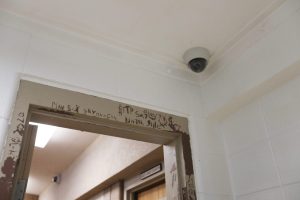
In the wake of a $6 million jury verdict in favor of a former Wyoming Boys’ School resident whose constitutional rights were violated, the state-run facility for delinquent boys ages 12 to 21 announced Monday that “sweeping reforms” are underway. Juvenile justice reform advocates and a state lawmaker warn, however, that internal policy changes won’t be enough to prevent future abuse and mistreatment. They say increased oversight and transparency are needed. Jurors in the U.S. District Court in Casper came to a unanimous decision last week that boys’ school staff subjected Blaise Chivers-King to punitive isolation in the state-run facility’s 7-by-10-foot cinderblock detention rooms and denied him due process to challenge his confinement. The jury, however, did not rule in favor of Chivers-King’s claim of excessive force.
This excerpt comes from the named source. Read the original for the full reporting.
Read the original at WyoFile


