Local
9-year-old girl steals Maryland's annual "Snow Show," reminds motorists about Clear Before You Drive Act
A Roundtable is a way to meet new people and discuss this article in person at a local coffee shop or other venue.
Roundtables are designed for groups of four, with a shared subject and room for everyone to speak. Come for discussion, with no dating expectation.
Source: CBS News
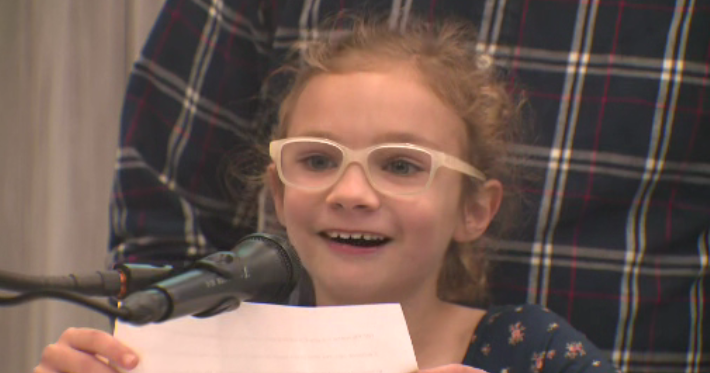
A 9-year-old girl who pushed for passage of a Maryland law requiring motorists to make efforts to clear snow and ice from their vehicles stole the state's annual "Snow Show" Friday held to preview the readiness of transportation crews for winter weather. Lucy Goldband appeared with her father at a news conference held by officials of Maryland's State Highway Administration (SHA). Goldband, a fourth grade student from Bethesda, Maryland, told the story of how she got involved in getting a new law passed this year that requires motorists to make reasonable efforts to clear snow and ice from their vehicles in an effort to improve safety. The law is called the Clear Before You Drive Act, which went into effect Oct. 1 after passing Maryland's General Assembly and getting signed by Gov. Wes Moore. The law applies to personal cars, commercial vehicles and trailers.
This excerpt comes from the named source. Read the original for the full reporting.
Read the original at CBS News