Local
A benching, a showcase by the bench and a win as Bulls beat Cavs
A Roundtable is a way to meet new people and discuss this article in person at a local coffee shop or other venue.
Roundtables are designed for groups of four, with a shared subject and room for everyone to speak. Come for discussion, with no dating expectation.
Source: Chicago Sun-Times
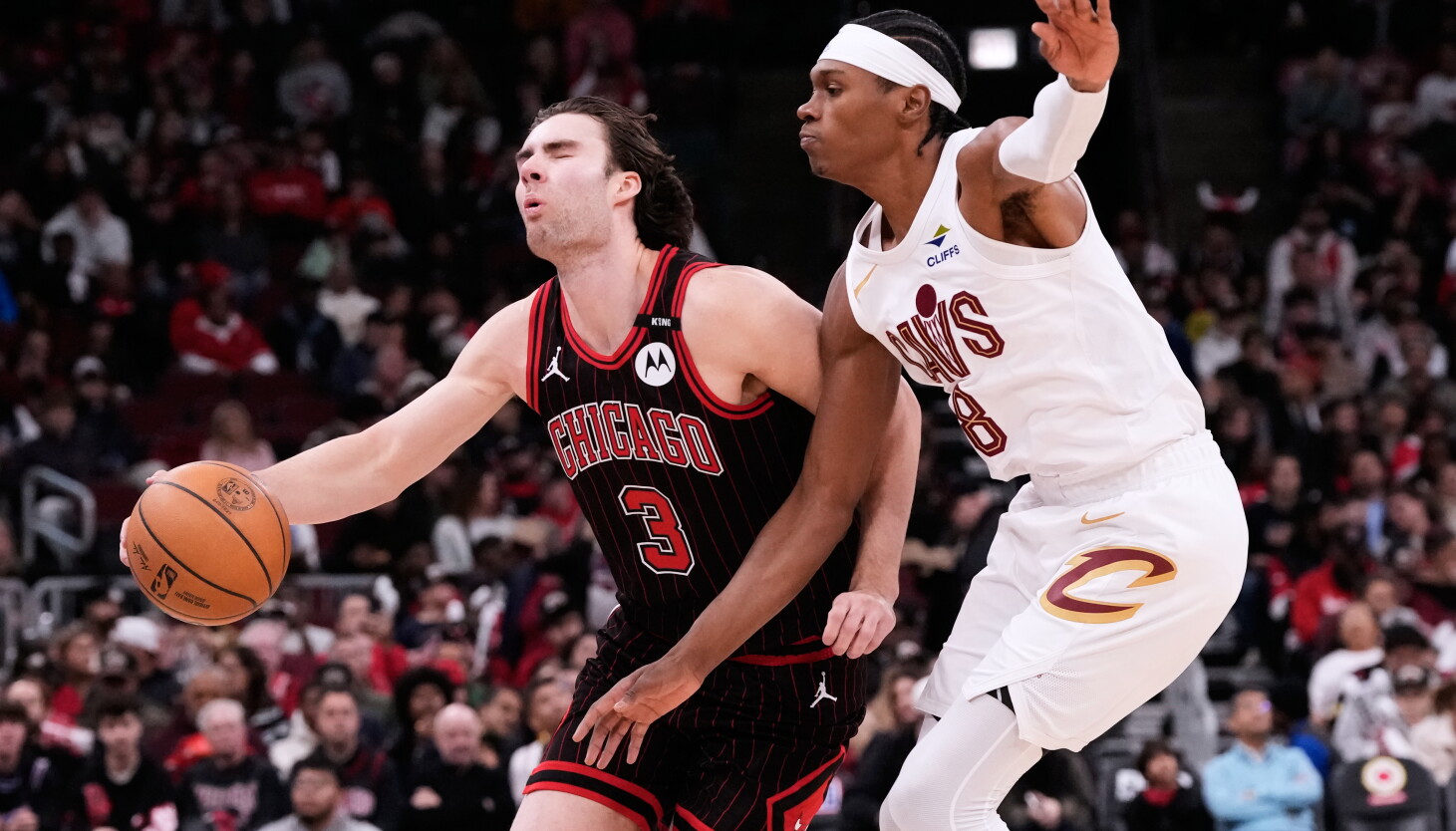
The Bulls don’t need a 22-assist triple-double from guard Josh Giddey every night. But they need him in a place where he can attack the rim, jump-start the attack and make plays in one consistent package. So, considering his range of performances in recent games — from a late benching Friday against the Wizards to an impressive recovery Sunday against the Nuggets to another benching Monday against the Cavaliers, how do they get him there? “I think he’s a connector, right?” coach Tiago Splitter said. “Like, a guy that can really see the court. For him to be effective and pass the way he passed [Sunday], he’s got to be aggressive. He’s got to bring two guys on him. Every time he’s aggressive and he’s taking care of the ball, something good is going to happen. I keep telling him, ‘Be aggressive. Be you, but be aggressive.
This excerpt comes from the named source. Read the original for the full reporting.
Read the original at Chicago Sun-Times


