Local
A council member wants old utility poles gone in James Island. What’s holding things up?
Meet in Common connects news with real conversations. Use ThinkMatch to arrange a Roundtable and meet people to discuss this story.
Roundtables are designed for groups of four, with a shared subject and room for everyone to speak. Come for discussion, with no dating expectation.
Source: Post and Courier
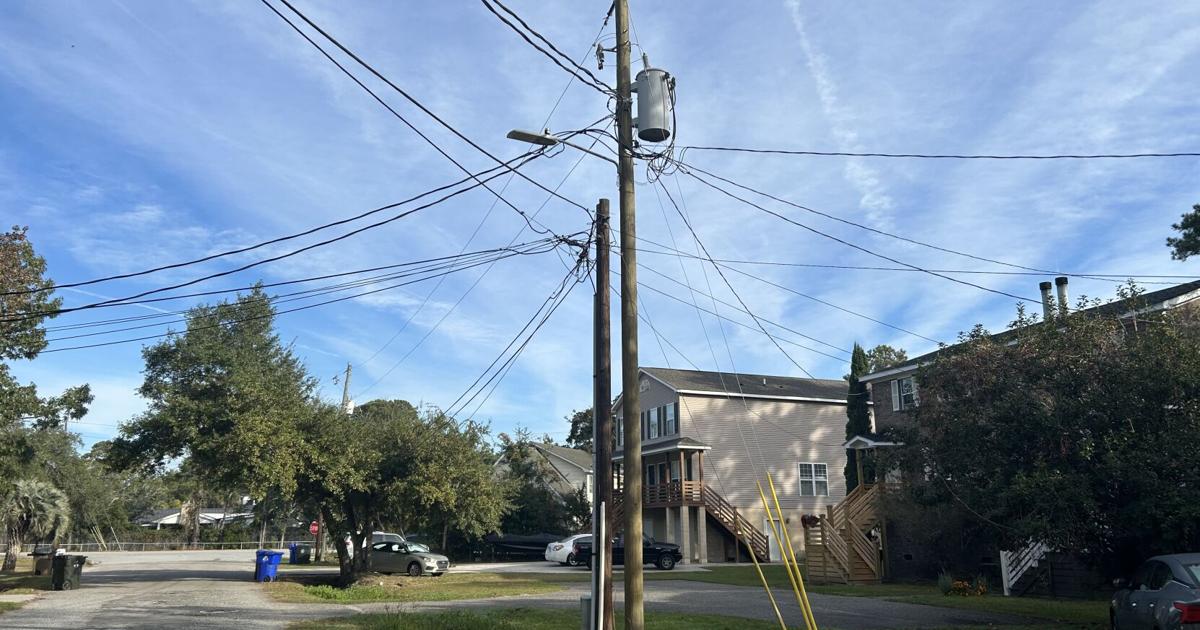
JAMES ISLAND — A council member is spearheading an effort to clean up double utility poles. Charleston City Council member Leslie Skardon, who represents District 12 — covering parts of central and southern James Island — said in a Facebook post Nov. 8 that she started pushing for the initiative to remove the “double wood” utility poles a few months back. Double wood utility poles result when an old beam is left standing next to its replacement, often because telecommunication companies have yet to transfer their wires to the new pole, preventing the original from being removed, according to Skardon. “I ran on three issues: infrastructure, traffic and quality of life,” Skardon told The Post and Courier. “To me, as you are driving along and you see these ugly utility poles riddling our streets and around our sidewalks, it’s a quality of life issue.
This excerpt comes from the named source. Read the original for the full reporting.
Read the original at Post and Courier