Local
A Democrat told her opponent not to ‘mansplain.’ It struck a chord.
A Roundtable is a way to meet new people and discuss this article in person at a local coffee shop or other venue.
Roundtables are designed for groups of four, with a shared subject and room for everyone to speak. Come for discussion, with no dating expectation.
Source: The 19th News
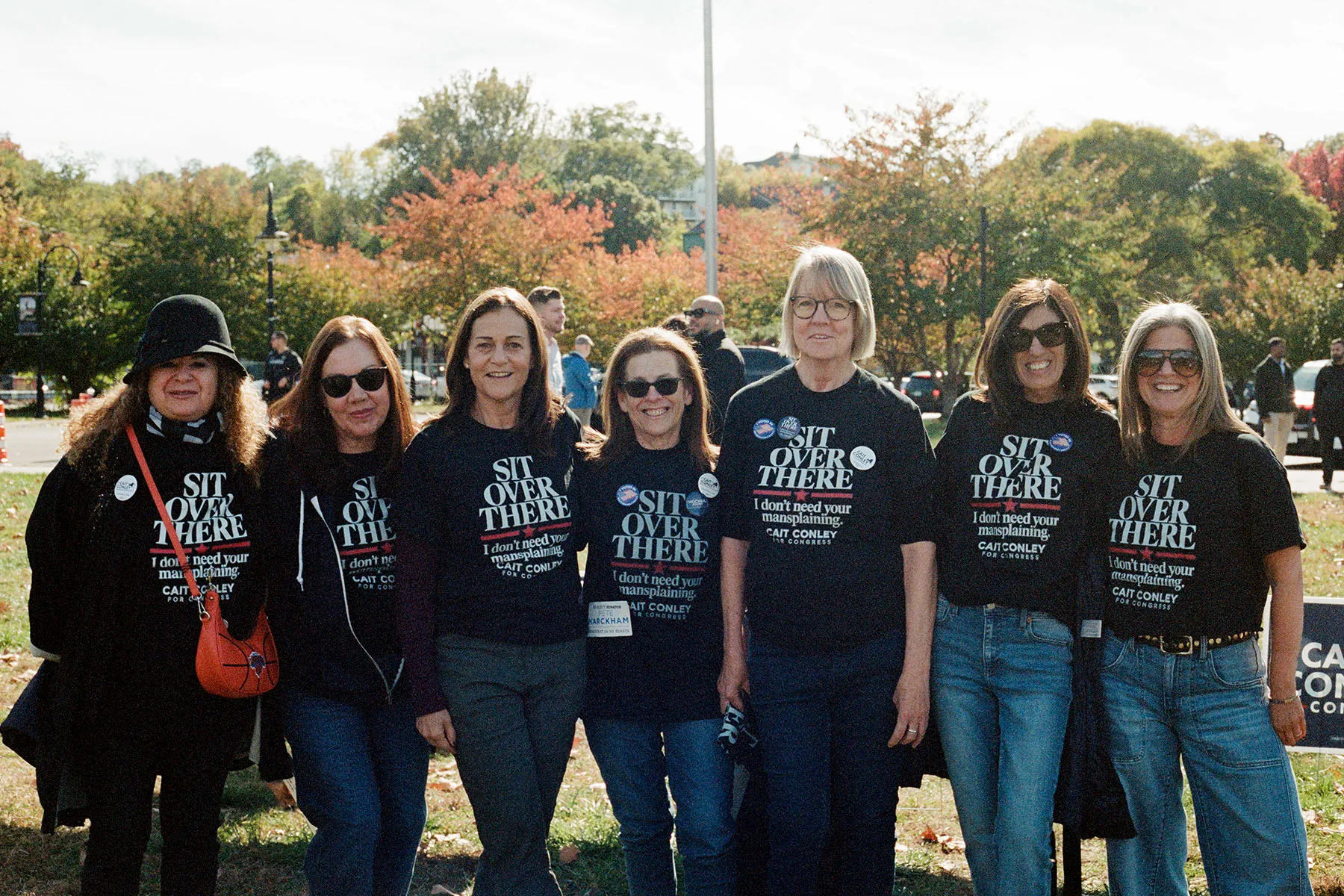
Grace Panetta Politics Reporter Published Share Bluesky Facebook Reddit Email PEEKSKILL, New York — Betsy Abrams, a 67-year-old executive assistant, showed up at a political rally held in a park on the banks of the Hudson River wearing a shirt that read, “Sit over there, I don’t need your mansplaining.” She was also holding a stack of yard signs for Cait Conley, the Democratic challenger in New York’s 17th Congressional District. Abrams didn’t support Conley in the primary, but she’s been impressed with her on the campaign trail. Conley, who’s challenging Rep. Mike Lawler in one of the country’s most competitive races, also won Abrams over in an October 15 debate in a heated back-and-forth over a question about whether there should be a federal standard for consent. Conley told Lawler: “I do not need you to mansplain to me what sexual assault and domestic violence against women is and the appropriate response. Don’t start. Sit over there.” The 19th thanks our sponsors. Become one.
This excerpt comes from the named source. Read the original for the full reporting.
Read the original at The 19th News


