Local
A Familiar Face in the Stands: 21 Years of Supporting Bonnies Women’s Basketball
A Roundtable is a way to meet new people and discuss this article in person at a local coffee shop or other venue.
Roundtables are designed for groups of four, with a shared subject and room for everyone to speak. Come for discussion, with no dating expectation.
Source: The Bona Venture
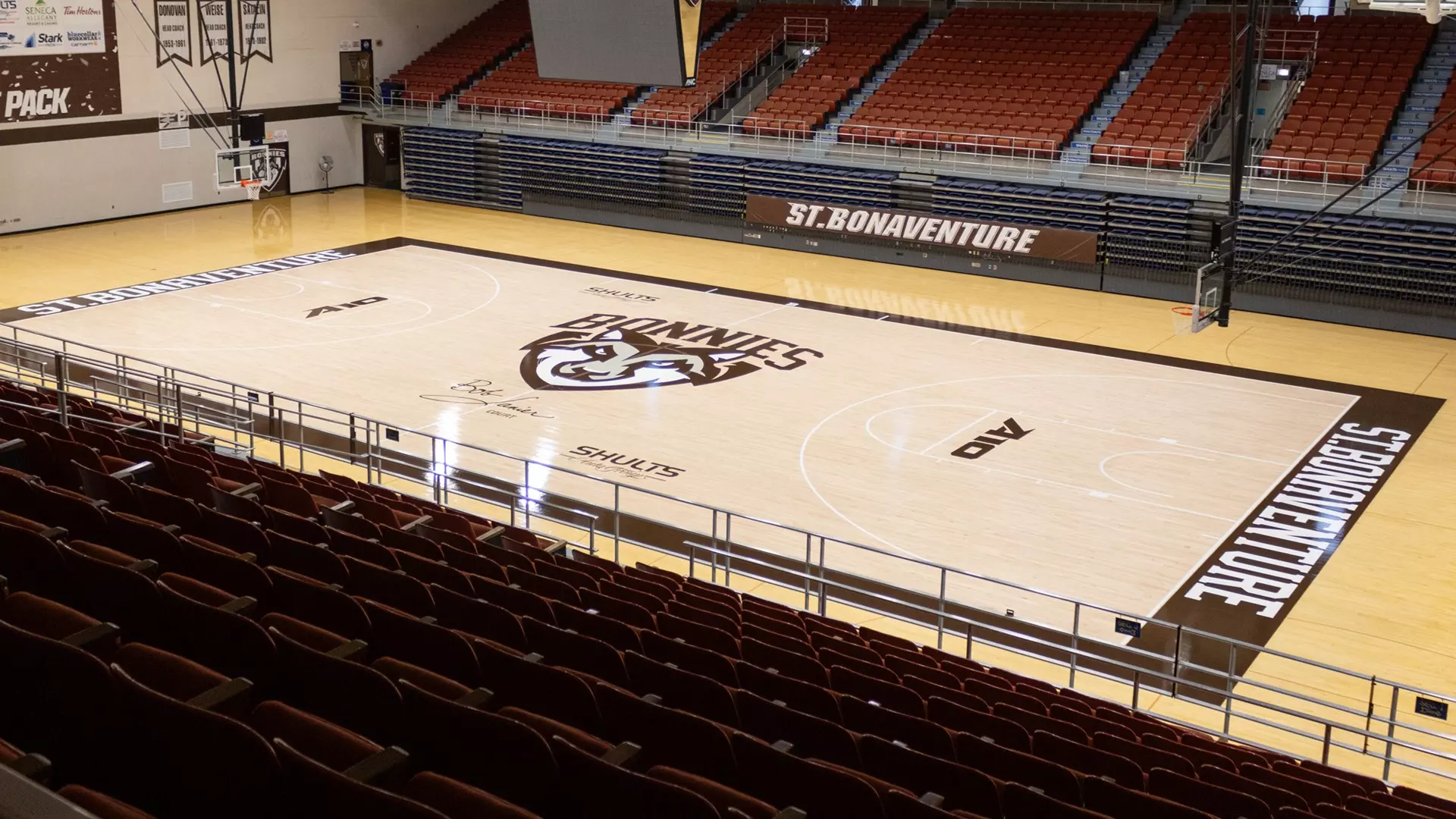
Tweet Photo courtesy of Sean Wallace BY: SEAN WALLACE; SPORTS EDITOR ST. BONAVENTURE, N.Y. — Nine years after retiring from St. Bonaventure University, Dr. Chuck Walker continues to show his dedication to the university by supporting the women’s basketball team. For over two decades, Walker has supported the Bonnies inside the Reilly Center through coaching changes, memorable wins and challenging seasons. Influenced by his daughters’ involvement in athletics and his appreciation for women’s sports, Walker started attending games in 2006. He shares his passion for Bonnies women’s basketball with longtime supporters and friends Robert Walk, a retired school psychologist, and Doug Price, a local insurance agent, whose daughters also participated in athletics. The reason behind his continued support remains simple. “They’re fun to watch,” Walker said. “I can’t overstate that it’s just fun to watch them.
This excerpt comes from the named source. Read the original for the full reporting.
Read the original at The Bona Venture


