Local
A Game-Theory Basis for U.S.-China Cooperation on AI Governance (Part I)
A Roundtable is a way to meet new people and discuss this article in person at a local coffee shop or other venue.
Roundtables are designed for groups of four, with a shared subject and room for everyone to speak. Come for discussion, with no dating expectation.
Source: Just Security
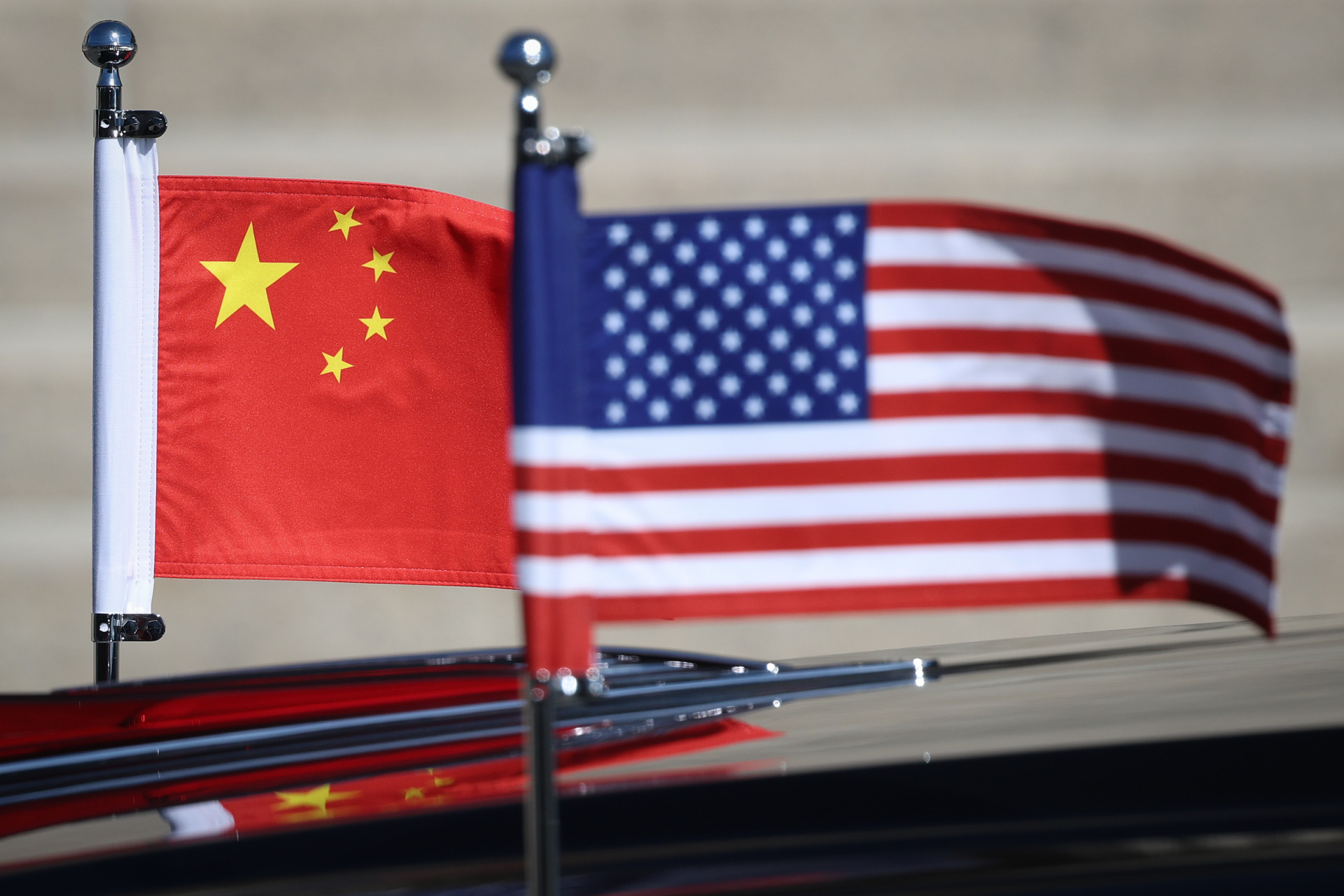
By Craig Martin and Michael J. KellyPublished on November 17, 2026 Editor’s Note This article is the first installment of a two-part series. You can read Part II here. “The most spectacular event of the past half century is one that did not occur,” Thomas Schelling, the economist and game theory pioneer, declared during his Nobel Prize Lecture in 2005. “We have enjoyed 60 years without nuclear weapons exploded in anger.” Schelling could say this because, over the course of the Cold War, Washington and Moscow came to understand the strategic logic of their rivalry and built arms control and verification arrangements to match it. No such understanding has yet developed between Washington and Beijing regarding frontier artificial intelligence. The logic now driving its development is a race to be first, and that logic, we argue, rests on the wrong game.
This excerpt comes from the named source. Read the original for the full reporting.
Read the original at Just Security