Local
A growing number of North Dakota students 'waiting for a teacher'
Meet in Common connects news with real conversations. Use ThinkMatch to arrange a Roundtable and meet people to discuss this story.
Source: Grand Forks Herald
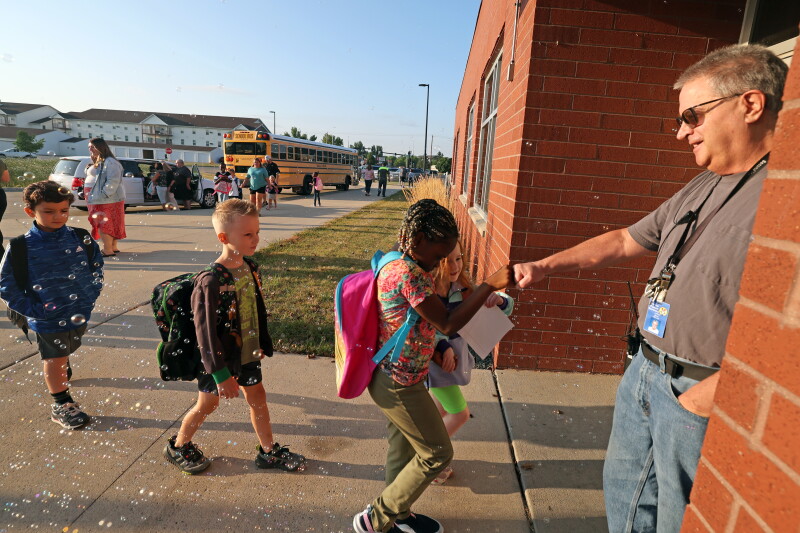
BISMARCK — North Dakota’s head of public instruction said the state is experiencing critical shortages in elementary and special education teachers. A voluntary “unfilled positions survey” drew responses from just over a quarter of the state’s school districts, yet identified more than 250 vacant positions, said State Superintendent Levi Bachmeier. Elementary teachers accounted for 30% of those unfilled positions, while special education teachers accounted for 20%, according to a Department of Public Instruction news release. "Behind every one of these numbers is a classroom of North Dakota students waiting for a teacher," Bachmeier said in the release. John Porter, who assists individual districts and groups of districts in southeastern North Dakota with staffing special education positions, calls it an "an incredible shortage" that makes for an annual struggle.
This excerpt comes from the named source. Read the original for the full reporting.
Read the original at Grand Forks Herald


