Local
A look through the history of Rock Against Racism
Meet in Common connects news with real conversations. Use ThinkMatch to arrange a Roundtable and meet people to discuss this story.
Source: Socialist Worker
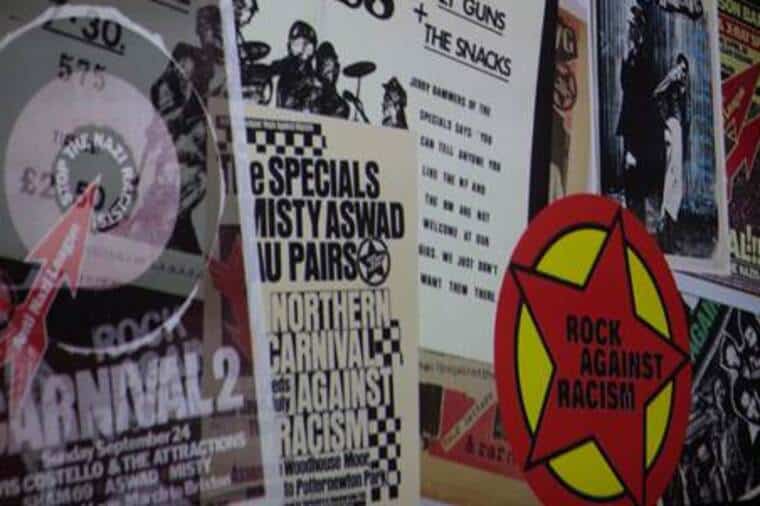
Rock Against Racism memorabilia On 5 August 1976, during a gig in Birmingham, Eric Clapton ranted on stage in support of Enoch Powell. He said, “Stop Britain from becoming a black colony. Get the foreigners out” and “Keep Britain White”. Red Saunders, an anti‑racist photographer, together with Roger Huddle had been thinking about a gig to combat the rise of racism. Clapton’s speech spurred them into action. They wrote to New Musical Express magazine. They ended the letter with a call to action—“Keep the faith, black and white unite and fight. We want to organise a rank and file movement against the racist poison in rock music. “We urge support—all those interested please write to ROCK AGAINST RACISM” They were inundated with hundreds of replies. And so began the movement that was Rock Against Racism (RAR). The paper containing that inciting letter is on display at the British Music Experience in an exhibit for the 50th anniversary of Rock Against Racism.
This excerpt comes from the named source. Read the original for the full reporting.
Read the original at Socialist Worker