Local
A new Frisco law will keep short-term rental licenses from growing as affordable housing is built
A Roundtable is a way to meet new people and discuss this article in person at a local coffee shop or other venue.
Roundtables are designed for groups of four, with a shared subject and room for everyone to speak. Come for discussion, with no dating expectation.
Source: Summit Daily News
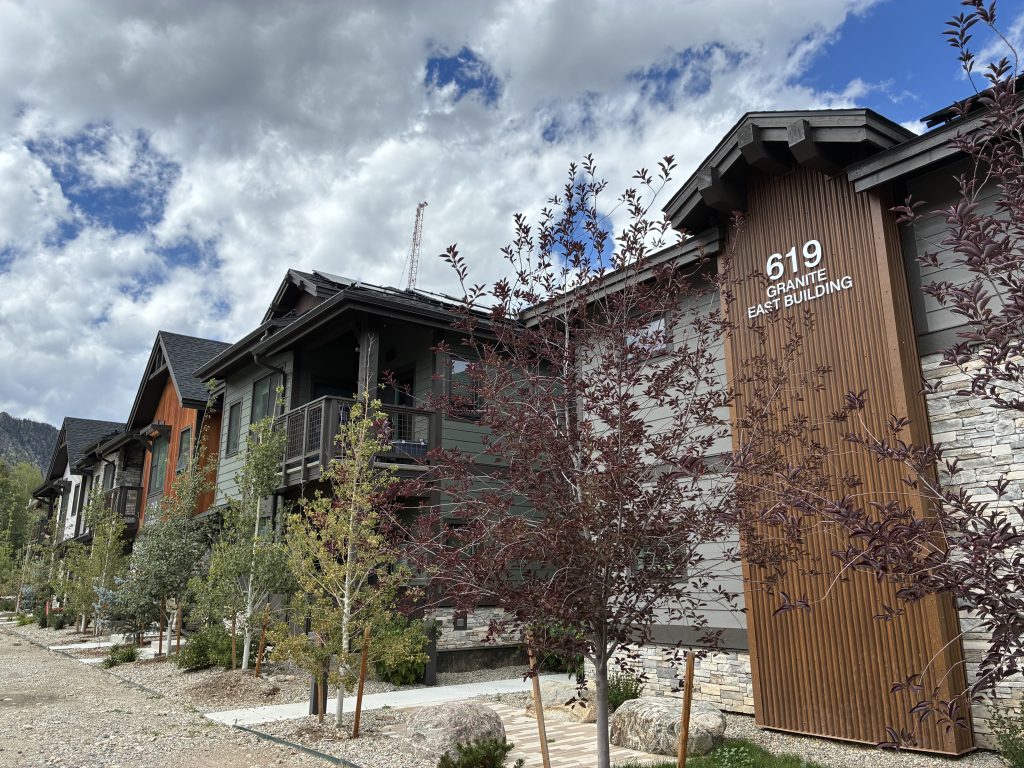
On Nov. 10, the Frisco Town Council passed an ordinance preventing deed-restricted housing built during or after 2026 from factoring into calculations about how many short-term rental properties the town can have. Since 2022, Frisco has restricted its number of short-term rental properties — or properties available for “a term of less than thirty consecutive days” — to 25% of the total number of housing units in town, according to Frisco’s website. Vanessa Agee, Frisco’s communications director, said the initial decision to restrict short-term rentals was “a way to continue to encourage commerce, including pending property sales and construction and tourism, while setting a cap that honored the concerns of residents about quality of life and community character.” “There were significant concerns voiced in public comments about parking, trash and noise issues that were degrading the quality of life for residents,” Agee said.
This excerpt comes from the named source. Read the original for the full reporting.
Read the original at Summit Daily News

