Local
A new mini-moon is accompanying Earth, but not for long: astronomers explain when it will leave
A Roundtable is a way to meet new people and discuss this article in person at a local coffee shop or other venue.
Roundtables are designed for groups of four, with a shared subject and room for everyone to speak. Come for discussion, with no dating expectation.
Source: Meteored United States
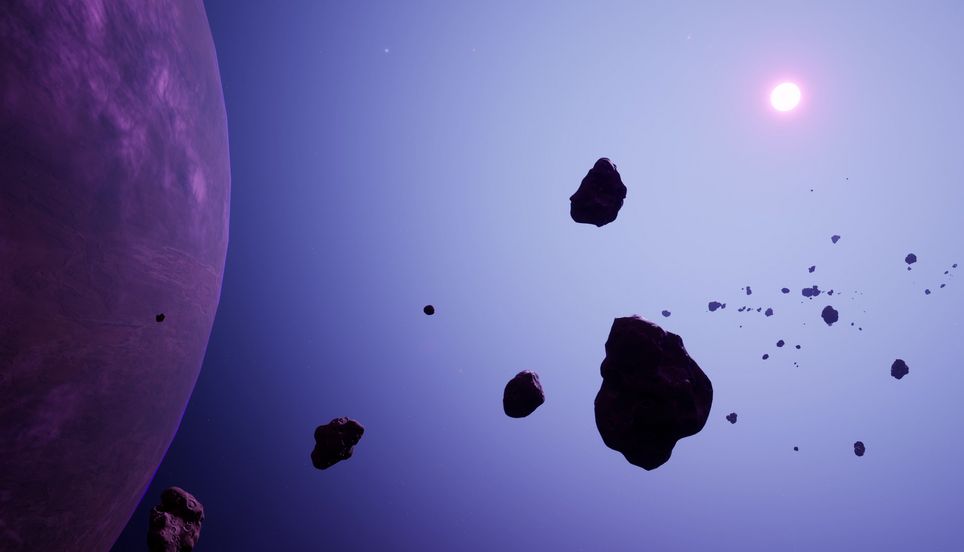
Earth has a new cosmic companion, but it won't be staying for long. Find out how this mini-moon arrived and when it will leave. Earth has a new mini-moon, although it is too small to be seen with the naked eye. The object, 2026 QQ8, is an asteroid that, according to calculations of its trajectory, appears to have been temporarily captured by Earth's gravity. Astronomers have confirmed its natural origin, and published estimates suggest that this temporary capture could end in January 2027. But how can an asteroid become temporarily trapped by our planet's gravity and then escape? How Earth temporarily captures an asteroid Our Moon is not the only natural object that can accompany Earth. Some asteroids follow trajectories that bring them close enough to become temporarily gravitationally bound to our planet. These objects are known as mini-moons, although their behavior is very different from that of our familiar satellite.
This excerpt comes from the named source. Read the original for the full reporting.
Read the original at Meteored United States


