Local
A new study shows how volcanic eruptions leave a lingering chill in the world’s oceans
Meet in Common connects news with real conversations. Use ThinkMatch to arrange a Roundtable and meet people to discuss this story.
Source: Meteored United States
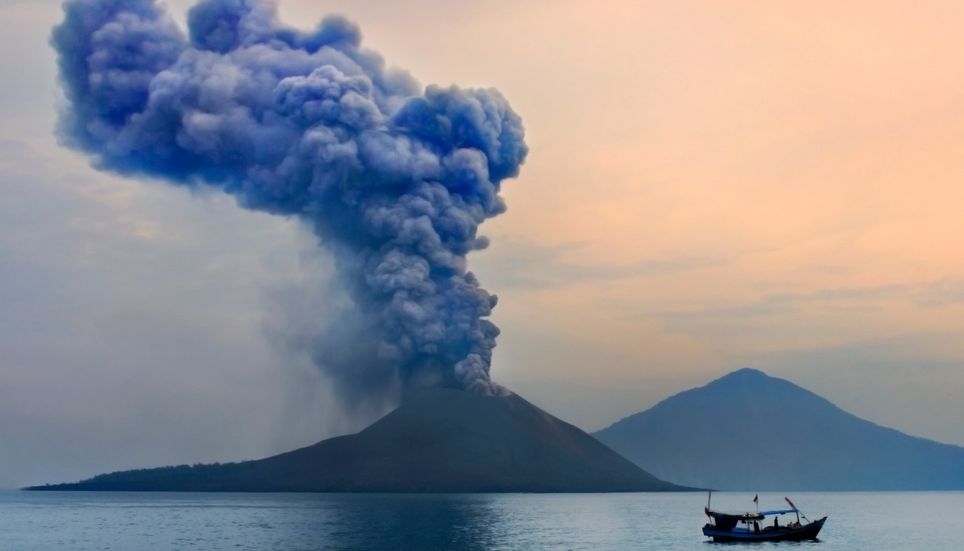
In 1991, Mt. Pinatubo erupted and had long lasting cooling effects. It cooled the lower atmosphere across the world by 0.9ºF (0.5ºC), and the effects lasted almost two years. The chill unevenly reached the sea. Unusually cold water could grow stronger in one region and not do so in another. A new study tracks these cold spells across 6 big eruptions. Each eruption preceded an increase in overall strength; a small reversal of the weakening seen across 175 years. Cold spells in the study A marine cold spell is a run of days where the sea surface is unusually cold. The study used the coldest 10% of temperatures for a given time of year and place. Water had to stay that cold for 5 or more days. Jan Kempert, of South Westphalia University of Applied Sciences, worked with Raven Quilestino-Olario at University of Cologne’s Institute of Geology and Mineralogy ; both in Germany.
This excerpt comes from the named source. Read the original for the full reporting.
Read the original at Meteored United States