Local
A night of classics: Santa Barbara Symphony performs Debussy, Poulenc and Berlioz at The Granada Theatre
A Roundtable is a way to meet new people and discuss this article in person at a local coffee shop or other venue.
Roundtables are designed for groups of four, with a shared subject and room for everyone to speak. Come for discussion, with no dating expectation.
Source: Daily Nexus
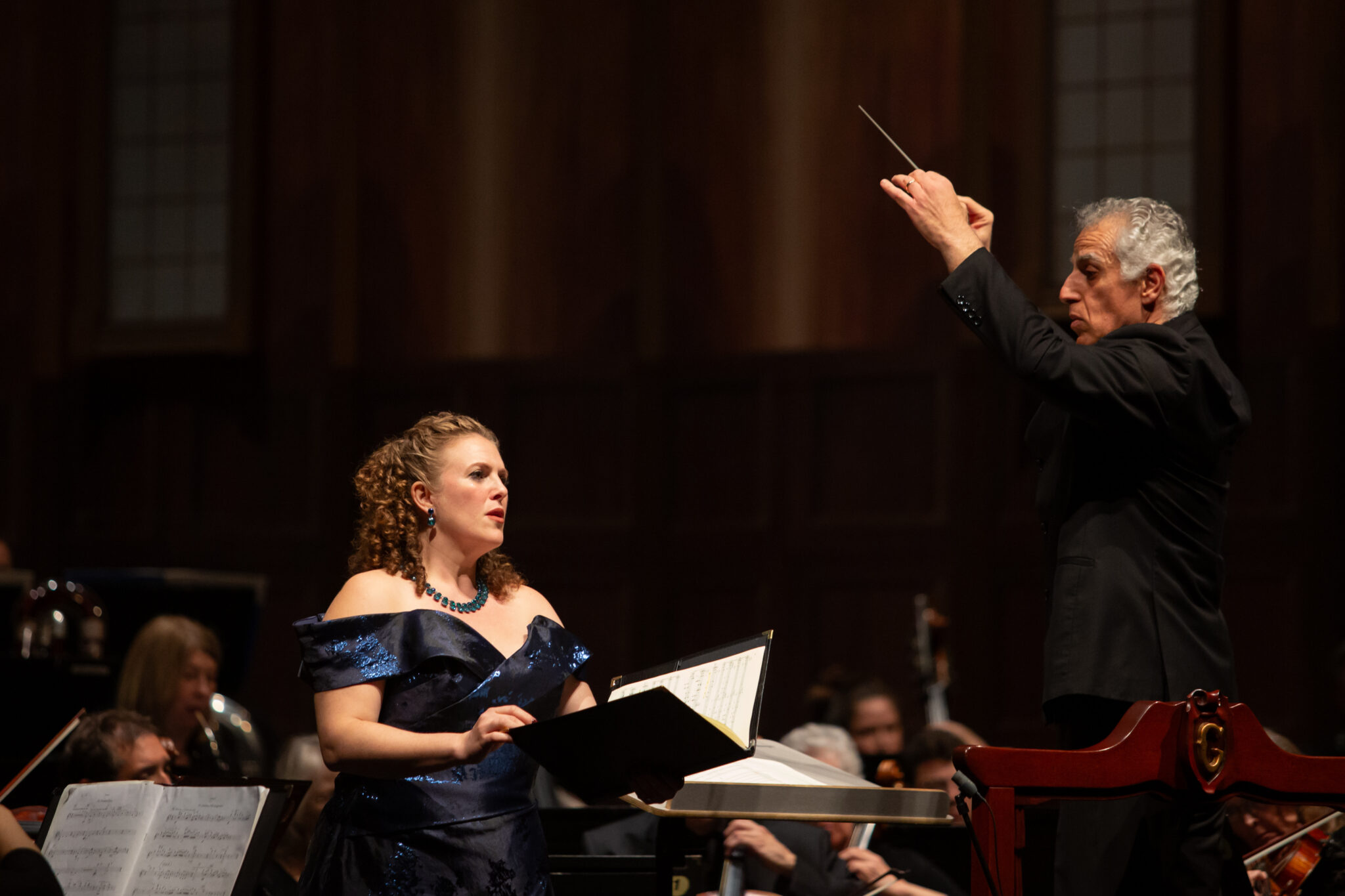
The Santa Barbara Symphony performed Hector Berlioz’s 200-year-old hypnotic classic “Symphonie fantastique” this past weekend at The Granada Theatre. Before the main program, flutist Amy Tatum performed Claude Debussy’s “Syrinx,” followed by the orchestra’s performance of “Prelude to the Afternoon of a Faun.” The Santa Barbara Symphony Chorus and Grammy-nominated soprano Devon Guthrie then joined the stage for Francis Poulenc’s “Gloria.” The concert was conducted by the symphony’s 20-year Music and Art Director Nir Kabaretti and follows an autobiographical psychedelic story of Berlioz. Pre-concert conversations Before her performance, Guthrie sat down with Santa Barbara Symphony Board Member and Santa Barbara City College assistant professor James Mooy to discuss her journey as a singer. “I was doing [singing] competitions while I was doing my artist diploma at Julliard,” she said.
This excerpt comes from the named source. Read the original for the full reporting.
Read the original at Daily Nexus