Local
A parade to the Rustic: Slow-pitch softball championship brought Duluth together in 1976
A Roundtable is a way to meet new people and discuss this article in person at a local coffee shop or other venue.
Roundtables are designed for groups of four, with a shared subject and room for everyone to speak. Come for discussion, with no dating expectation.
Source: Duluth News Tribune
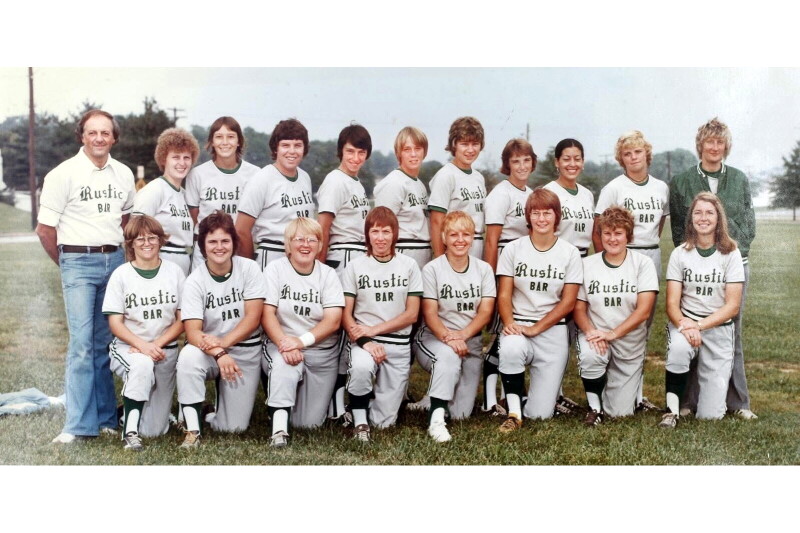
DULUTH — The trophy got its own seat on the plane. The women who won it got a police escort to the bar. Friends, family and strangers greeted the Rustic Bar softball team at the Duluth airport in September 1976 for their triumphant homecoming. With lights flashing and sirens blaring, police escorted the champions to their West Duluth tavern. “It was like a little parade going down to the Rustic from the airport,” pitcher Sue “Hardee” Rendulich said. “So the whole thing was like, 'this can’t be real.'” Fifty years ago, Rustic Bar topped a 48-team field in York, Pennsylvania, winning a trophy big enough to get its own seat on the flight home. “Well, it was huge,” Rendulich said. “John (Nork) didn’t want anything to happen to it.” Rustic beat the U.S. Army All-Stars 6-3 on Sept. 6 to win the women’s Class A national slow-pitch title — the first Minnesota women’s team to win a national slow-pitch championship.
This excerpt comes from the named source. Read the original for the full reporting.
Read the original at Duluth News Tribune


