Local
A snapshot look at Tuesday's election
A Roundtable is a way to meet new people and discuss this article in person at a local coffee shop or other venue.
Roundtables are designed for groups of four, with a shared subject and room for everyone to speak. Come for discussion, with no dating expectation.
Source: The Bismarck Tribune
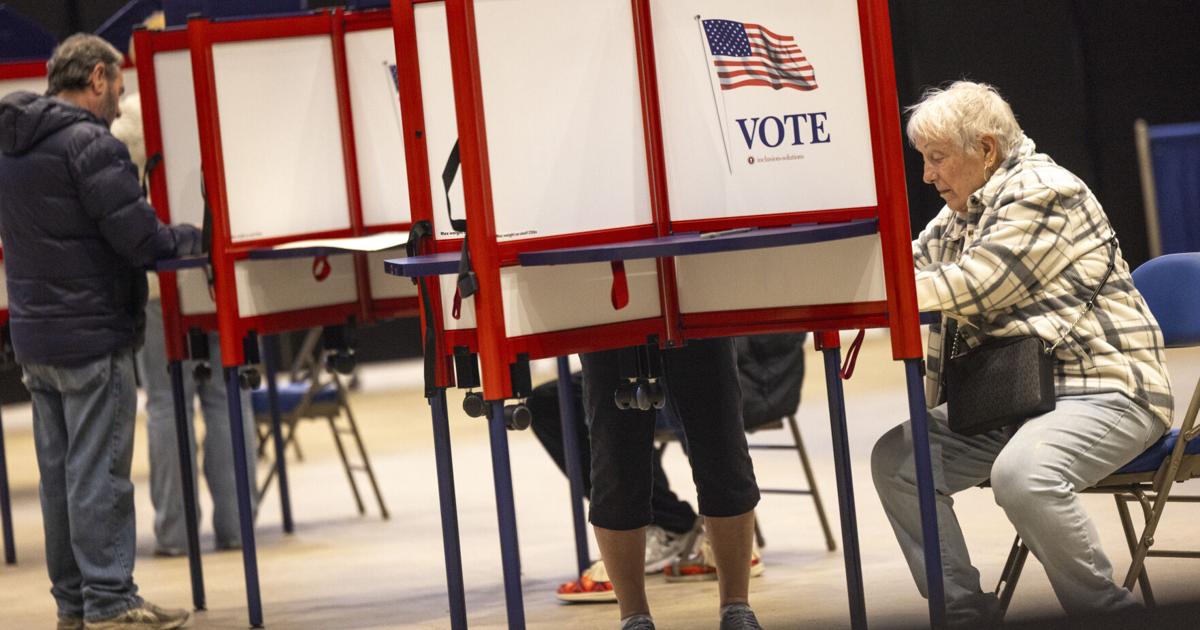
Facebook Twitter Bluesky WhatsApp SMS Email Print Copy article link Save Bismarck residents in Tuesday's general election narrowly defeated for the second time this year a multimillion-dollar school bond referendum to boost school infrastructure, while a statewide measure to provide free school meals also failed. U.S. Rep. Julie Fedorchak, R-N.D., easily defeated Democratic-NPL challenger Trygve Hammer, and Republicans cruised to easy wins in state office races. They also dominated Bismarck-Mandan area legislative contests. Weather wasn't an obstacle to voting, as it was a soggy but relatively calm day across North Dakota. There was some patchy fog in the west in the morning, but daytime highs rose into the mid-40s, typical of this time of fall, with drizzly skies gradually clearing from west to central, and some showers lingering in the east. Bismarck-Mandan saw some gusty winds in the afternoon.
This excerpt comes from the named source. Read the original for the full reporting.
Read the original at The Bismarck Tribune