Local
Activa tu nueva tarjeta EBT antes del 29 de noviembre para no perder tus beneficios de SNAP
A Roundtable is a way to meet new people and discuss this article in person at a local coffee shop or other venue.
Roundtables are designed for groups of four, with a shared subject and room for everyone to speak. Come for discussion, with no dating expectation.
Source: El Planeta
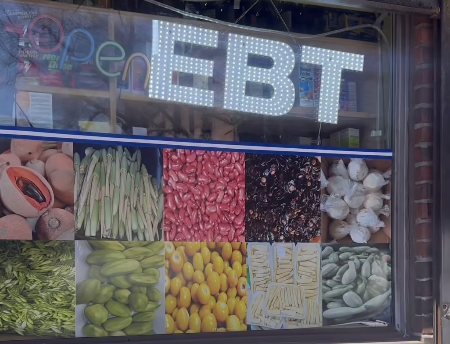
Si recibes beneficios de SNAP en Massachusetts, tienes hasta el 29 de noviembre para activar tu nueva tarjeta EBT. Después de esa fecha, la tarjeta antigua dejará de funcionar. El Departamento de Asistencia Transitoria (DTA) envió por correo nuevas tarjetas EBT a todos sus clientes, alrededor de 1.1 millones de personas, según la agencia. Las nuevas tarjetas tienen chip y función de pago sin contacto, una tecnología que el estado adoptó para proteger los beneficios del robo y el fraude. Se pueden usar insertando el chip o acercando la tarjeta al lector, aunque algunas tiendas todavía pueden pedir que la deslices. El DTA advirtió que, si no activas la nueva tarjeta a tiempo, tanto la tarjeta anterior como la nueva dejarán de funcionar. En ese caso tendrás que pedir un reemplazo, que puede tardar hasta una semana en llegar por correo, y durante ese tiempo no podrás usar tus beneficios de SNAP.
This excerpt comes from the named source. Read the original for the full reporting.
Read the original at El Planeta