Local
Adding to the list
A Roundtable is a way to meet new people and discuss this article in person at a local coffee shop or other venue.
Roundtables are designed for groups of four, with a shared subject and room for everyone to speak. Come for discussion, with no dating expectation.
Source: The Daily Mining Gazette
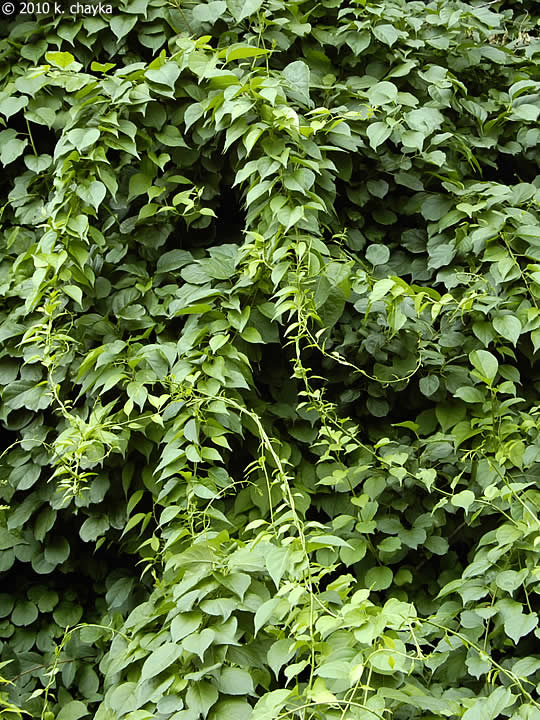
LANSING — The Michigan Department of Agriculture and Rural Development (MDARD) is inviting Michigan stakeholders to provide comments on proposed additions to the invasive plant species regulated in the Natural Resources and Environmental Protection Act (NREPA), Act 451 of 1994, Part 413. MDARD proposes to add five species to these lists based on rigorous, scientific Weed Risk Assessments that indicate those species could harm Michigan’s environment, economy and/or human health. Preventing the spread of invasive species is important to help safeguard the quality of Michigan ecosystems, the strength of Michigan’s economy and the health of people in Michigan. Proposed species • Round leaf bittersweet • Common butterbur • Lesser celandine • Creeping water-primrose • Large flowered water-primrose Stakeholders can provide comments through an online survey. All comments must be submitted by 11:59 p.m. ET on Friday, December 18, 2026. Why is MDARD proposing these additions?
This excerpt comes from the named source. Read the original for the full reporting.
Read the original at The Daily Mining Gazette