Local
Advocates rally in Appleton to demand transparency from ICE detention facility
Meet in Common connects news with real conversations. Use ThinkMatch to arrange a Roundtable and meet people to discuss this story.
Roundtables are designed for groups of four, with a shared subject and room for everyone to speak. Come for discussion, with no dating expectation.
Source: West Central Tribune
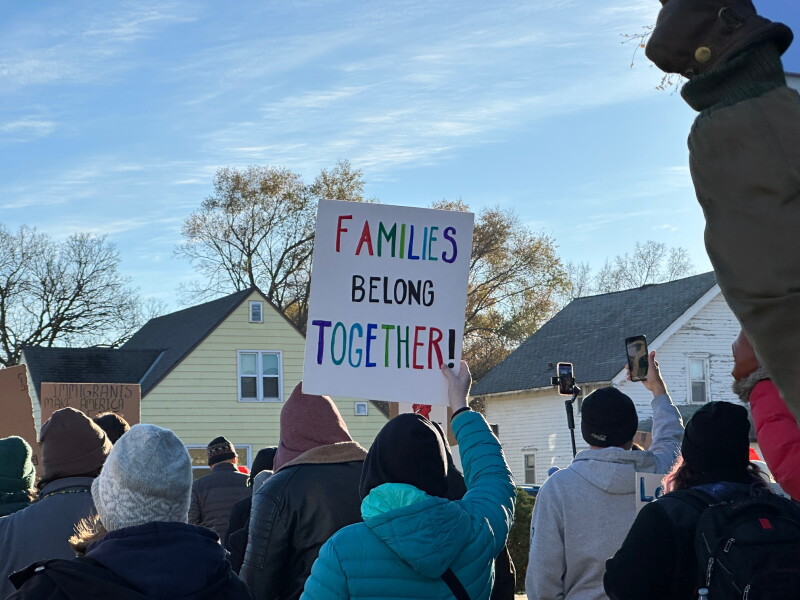
APPLETON — Community members from southwestern Minnesota and across the state gathered Saturday in Appleton to voice opposition to the U.S. Immigration and Customs Enforcement detention facility now operational in the city. More than 200 people attended a 2 p.m. vigil Saturday before grabbing signs and continuing to rally together one hour later. The momentum was so strong that a small group of organizers and demonstrators marched to the facility owned by the federal government but operated by private prison company CoreCivic. The events, including a news conference preceding the vigil, were organized by the Prairie Alliance for Human Dignity, an organization that supports families and people affected by detention through advocacy, organization, practical and compassionate support.
This excerpt comes from the named source. Read the original for the full reporting.
Read the original at West Central Tribune