Local
Afro-Peruvian singer Susana Baca reflects on singing to the pope and his historic apology
A Roundtable is a way to meet new people and discuss this article in person at a local coffee shop or other venue.
Roundtables are designed for groups of four, with a shared subject and room for everyone to speak. Come for discussion, with no dating expectation.
Source: The Miami Times
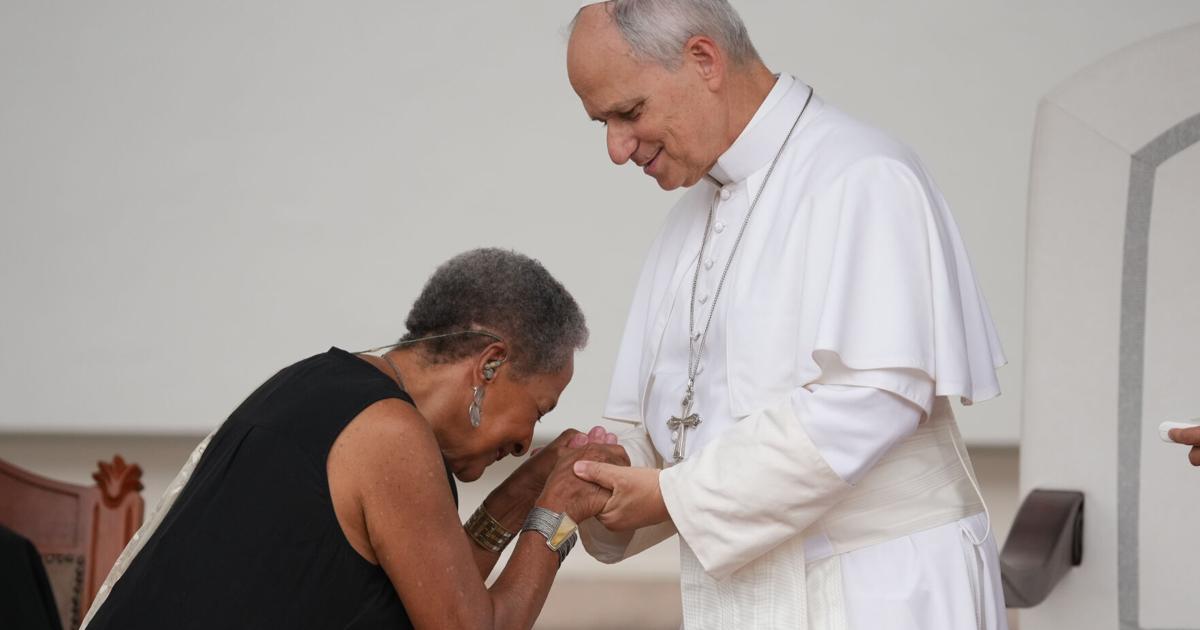
When Latin Grammy-winning singer Susana Baca was asked to sing for Pope Leo XIV during his visit home to Peru, she vowed to let the music speak for itself and declined all interview requests.Baca, the world’s best-known Afro-Peruvian musician, feared the moment could be trivialized when in fact it marked a watershed for her and Peru’s African-descended community. As Peru’s first Black culture minister, the 82-year-old Baca remains a leader in the campaign to end discrimination that has long made second-class citizens of Indigenous and Black Peruvians.Breaking her silence in an exclusive written interview with The Associated Press, Baca reflected on Leo’s message, its meaning for Peruvians and the music she chose to sing him. She also reflected on the significance of Leo’s historic apology for the Catholic Church’s role in facilitating slavery and his visit to a UNESCO-recognized memorial for slavery in Peru, given Leo’s own family tree includes enslaved people and slave owners.
This excerpt comes from the named source. Read the original for the full reporting.
Read the original at The Miami Times


