Local
After 34 years bartending at Hopleaf in Andersonville, Mighty Slim has poured his last beer
A Roundtable is a way to meet new people and discuss this article in person at a local coffee shop or other venue.
Roundtables are designed for groups of four, with a shared subject and room for everyone to speak. Come for discussion, with no dating expectation.
Source: Chicago Sun-Times
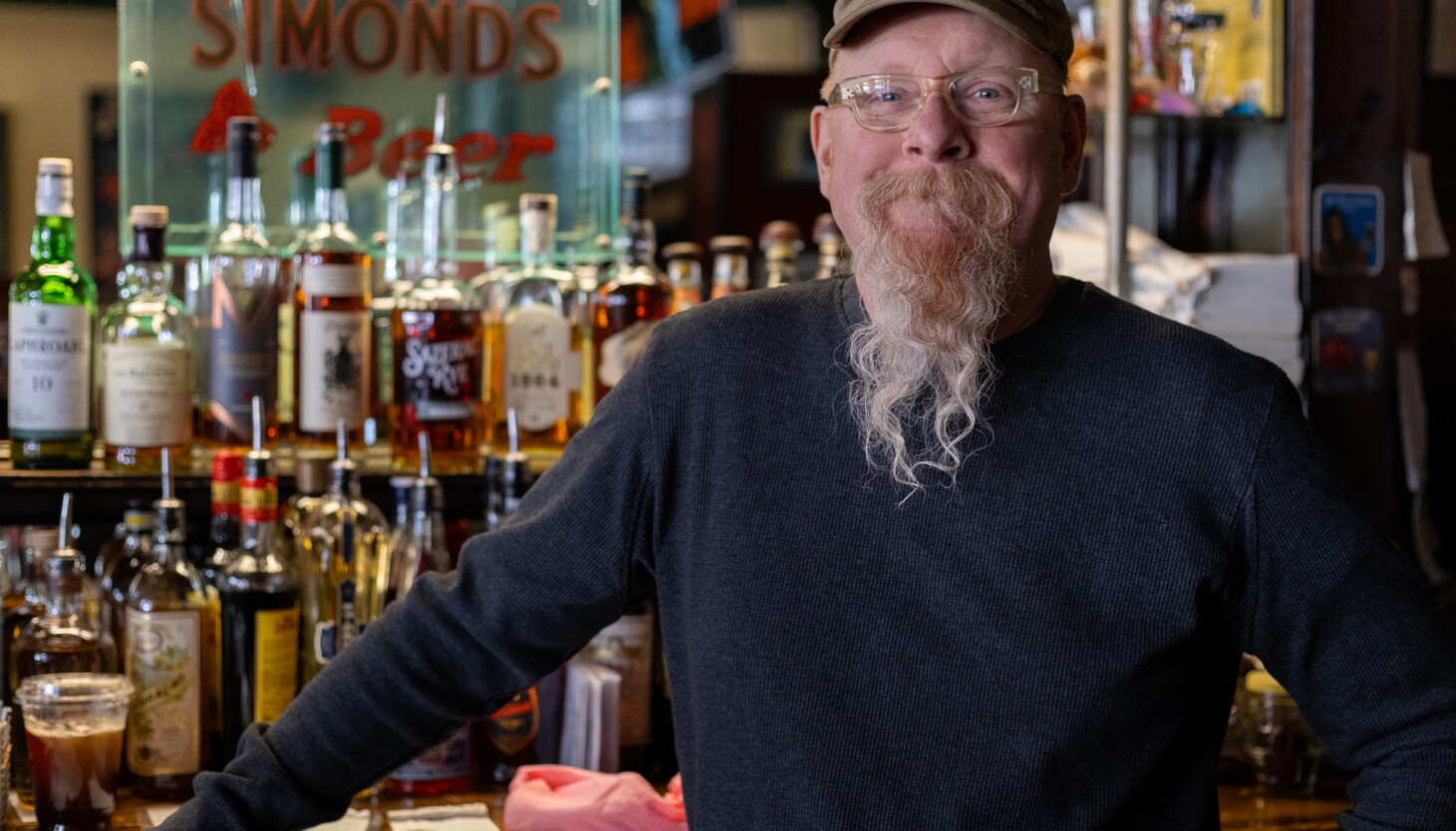
Mighty Slim is mighty thankful. The beloved bartender with a memorable moniker poured his last beer Friday after 34 years of working behind the pine at Hopleaf, a destination craft beer tavern in Andersonville. Ask his real name and he'll sidestep and tell you he just goes by Mighty Slim and has so for decades. Most just say Slim. His wife calls him Mighty. About 60 well-wishers attended a sendoff Saturday. "I'm just really surprised and kind of gobsmacked that people are interested in this. I kind of just figure I'm a bartender, and I just do my job as best I can. It's been really heartwarming," said Slim, 63. Slim worked nights for more than 20 years before moving to days about a decade ago. "It's a young person's game, and Hopleaf is a very high volume bar and you sometimes have to step aside and let the kids do it," Slim said of his decision to retire.
This excerpt comes from the named source. Read the original for the full reporting.
Read the original at Chicago Sun-Times