Local
After property tax cut victory, DeSantis eyes special session
Meet in Common connects news with real conversations. Use ThinkMatch to arrange a Roundtable and meet people to discuss this story.
Source: Venice Gondolier
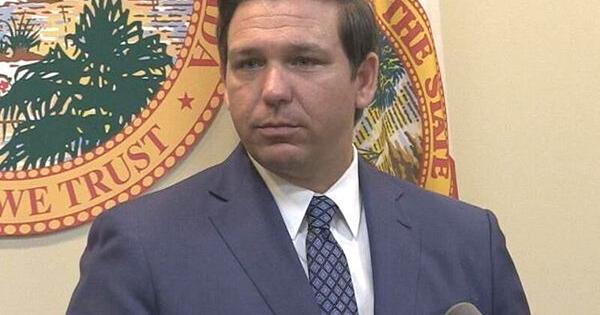
yoursun.com offers audio versions of articles using Instaread. Some words may be mispronounced. Gov. Ron DeSantis FILE PHOTO BY NEWS SERVICE OF FLORIDA TALLAHASSEE – Gov. Ron DeSantis told reporters Wednesday he’ll convene a special legislative session in the next two months to install the large property tax cut approved by voters Tuesday evening.At a press conference in the state Capitol, DeSantis said he would work with the Legislature on the timing of the session, but it would be before his second term ends in early January. Amendment 3, which increases the $50,000 homestead property tax exemption to $150,000 in 2027, and then to $250,000 in 2028, received 62% of the vote – two points more than the 60 percent needed to become law.“What it’ll do is it’ll set the schedule for further homestead exemption, because we want people to get that,” DeSantis said.
This excerpt comes from the named source. Read the original for the full reporting.
Read the original at Venice Gondolier


