Local
Ahead of midterms, researchers map voters’ and candidates’ healthcare priorities
Meet in Common connects news with real conversations. Use ThinkMatch to arrange a Roundtable and meet people to discuss this story.
Source: The Stanford Daily
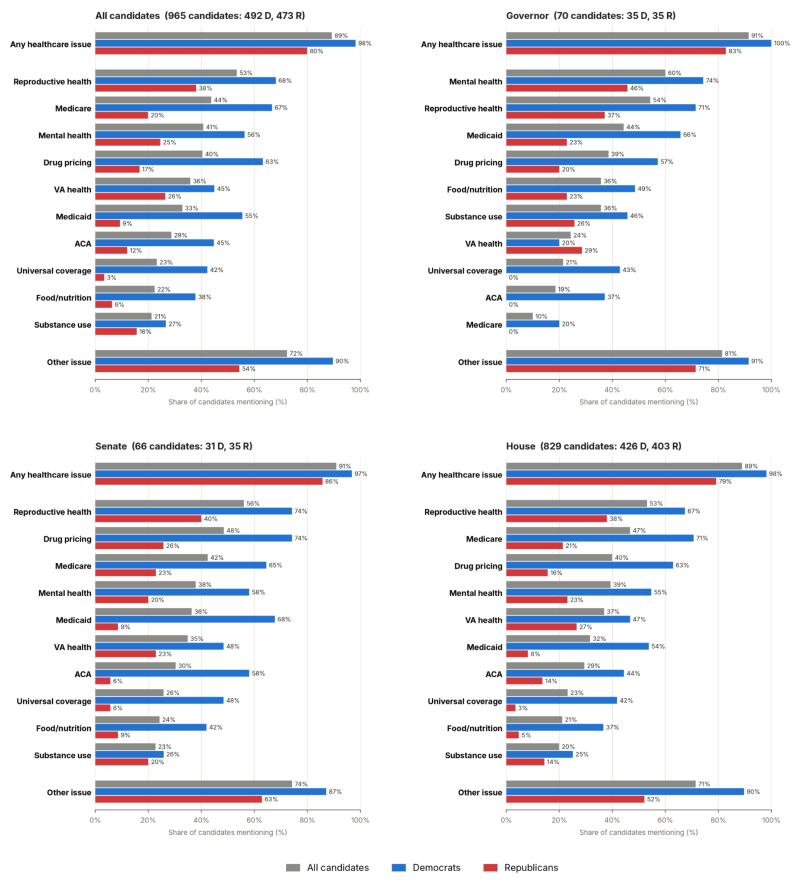
Healthcare costs are on the ballot for voters heading into Tuesday’s midterm elections. Currently, 60% of registered voters report being worried about affording healthcare, according to a KFF poll. Yet a new analysis led by David Scheinker, professor of pediatrics and of medicine, and Kevin Schulman, a professor of medicine with a courtesy appointment at the Graduate School of Business (GSB), found that only half of nearly 1,000 campaign platforms for Congress and governor address healthcare affordability. The pair’s research reveals how little of the healthcare debate is about cost, they say. Rising costs, shrinking coverage For the millions of Americans who buy their own insurance, costs are about to climb again. Obamacare Open Enrollment began Sunday, two days before Election Day. Next year, Obamacare premiums will rise 13%, after already jumping 26% in 2026 when enhanced federal subsidies expired. Costs are climbing at Stanford, too.
This excerpt comes from the named source. Read the original for the full reporting.
Read the original at The Stanford Daily