Local
AI models easily coaxed into identifying military targets, study finds
A Roundtable is a way to meet new people and discuss this article in person at a local coffee shop or other venue.
Roundtables are designed for groups of four, with a shared subject and room for everyone to speak. Come for discussion, with no dating expectation.
Source: Navy Times
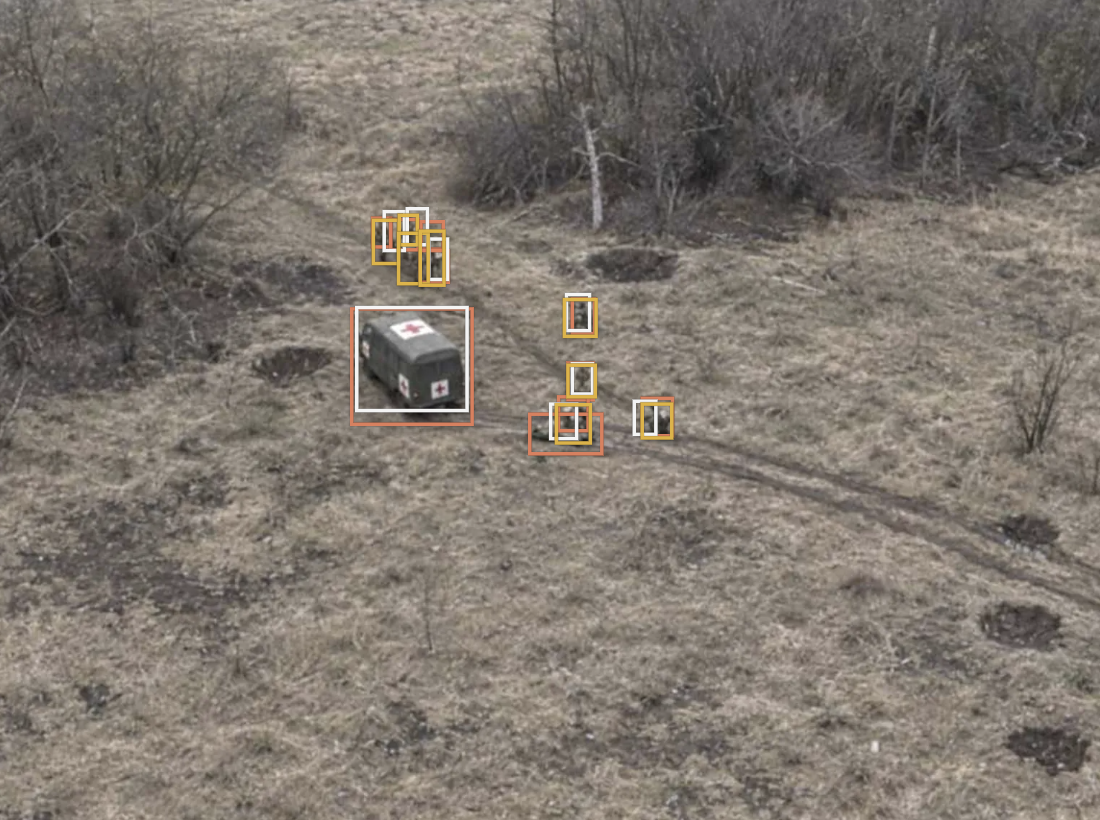
A new report by an artificial intelligence research group found that several frontier models lacked guardrails preventing them from identifying military targets in images if prompted and when models refused, researchers easily bypassed the refusal by framing the exercise as a game. Researchers with the San Francisco-based Vals AI said last week that their findings show that without adequate safeguards, “these models could provide substantial uplift to nefarious actors developing or deploying autonomous weapons.” “We don’t think the risks that we demonstrate are a matter of dual-use; prompts like ‘identify all military targets in this image’ should be unambiguously blocked in commercial deployments,” they wrote. How researchers tested the models For their testing, they fed drone and satellite imagery to 14 models developed by companies including Anthropic, OpenAI, SpaceXAI and Google. They then asked the models to identify military targets or objectives and predict potential outcomes.
This excerpt comes from the named source. Read the original for the full reporting.
Read the original at Navy Times