Local
Alamo mayor requires candidates, campaigns to clean up signs within 15 days
Meet in Common connects news with real conversations. Use ThinkMatch to arrange a Roundtable and meet people to discuss this story.
Roundtables are designed for groups of four, with a shared subject and room for everyone to speak. Come for discussion, with no dating expectation.
Source: Spectrum News
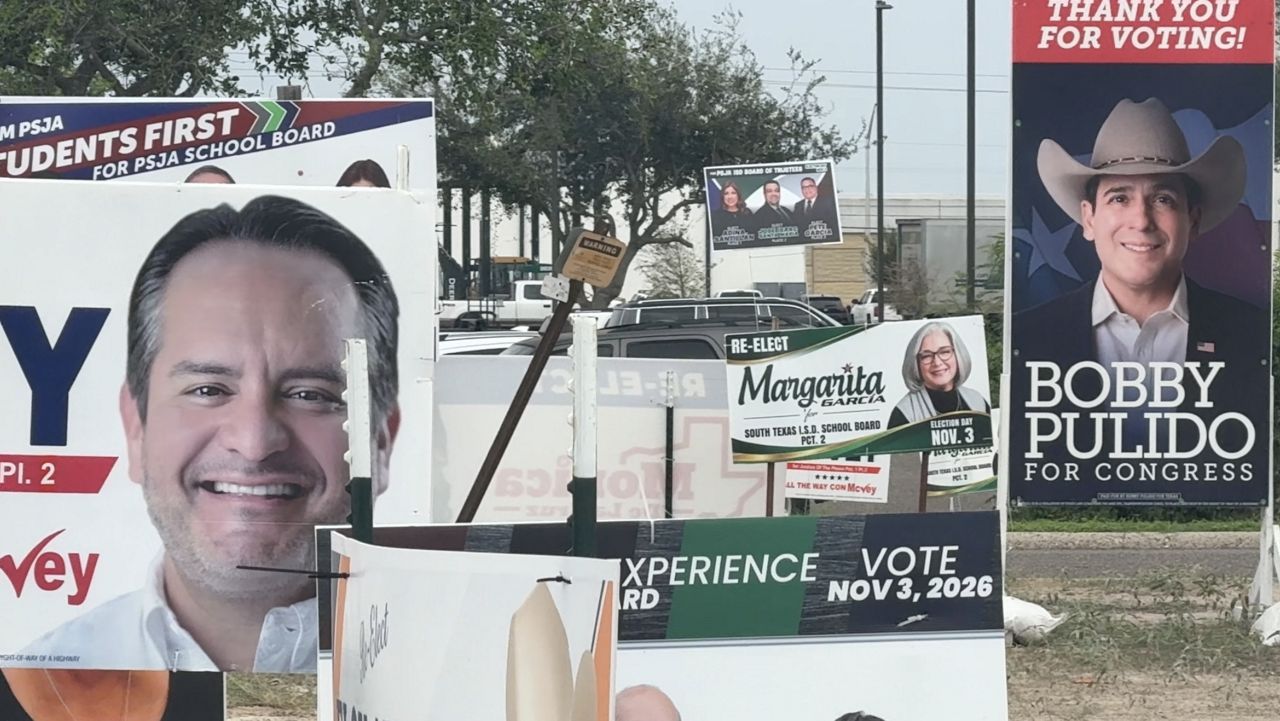
ALAMO, Texas — With the election now over, it’s safe to ask, “What happens to all of these campaign signs?” In the border town of Alamo, Texas, all campaign signs will be cleaned up soon because of an ordinance passed by city officials. “Fifteen-day window,” said Alamo Mayor J.R. Garza. “It starts day one, which was the day after the election, and then 15 days from then, so that’s the ordinance that was created, and that’s what the commission voted on.” Garza explained that the primary goal is to maintain the cleanliness of the city’s streets, sidewalks and private property. “Those property owners expect for these signs to be picked up in an orderly fashion and within a time frame,” said Garza. “So that is why we do this, so that those signs aren’t left there for months and months and months down the road, like we’ve seen in the past.” After the 15 days, if the signs aren’t collected, the campaigns could face up to $25-$50 fine for each sign depending on their size and location.
This excerpt comes from the named source. Read the original for the full reporting.
Read the original at Spectrum News


