Local
Albuquerque’s Anne Shibata Revisits Her Remarkable Life at 101
A Roundtable is a way to meet new people and discuss this article in person at a local coffee shop or other venue.
Roundtables are designed for groups of four, with a shared subject and room for everyone to speak. Come for discussion, with no dating expectation.
Source: Pacific Citizen
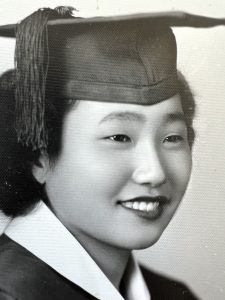
(Editor’s Note: This article is the Pacific Citizen’s first installment of “History 100,” a series of interviews and profiles of individuals who have celebrated reaching — and surpassing — the century mark. For JACL and Pacific Citizen, this series has extra meaning as both the organization and its newspaper will reach their respective centennials in 2029.) Even at this unique point in human history, when there are more centenarians across the developed world than ever, reaching and surpassing the 100-year mark is still an accomplishment. Meeting that major milestone while still maintaining one’s faculties is even more momentous, truly a case of getting to have your (birthday) cake and eat it, too. Anne Shibata of Albuquerque, N.M., who is now 101 and retains her memories and maintains her health, is very aware of her good fortune. “I am truly blessed,” she recently told the Pacific Citizen in an interview conducted with the assistance of her daughter-in-law, Lisa Shibata.
This excerpt comes from the named source. Read the original for the full reporting.
Read the original at Pacific Citizen