Local
Alcaraz, sobre Sinner: "El tenis le echa de menos"
A Roundtable is a way to meet new people and discuss this article in person at a local coffee shop or other venue.
Roundtables are designed for groups of four, with a shared subject and room for everyone to speak. Come for discussion, with no dating expectation.
Source: Qué Pasa
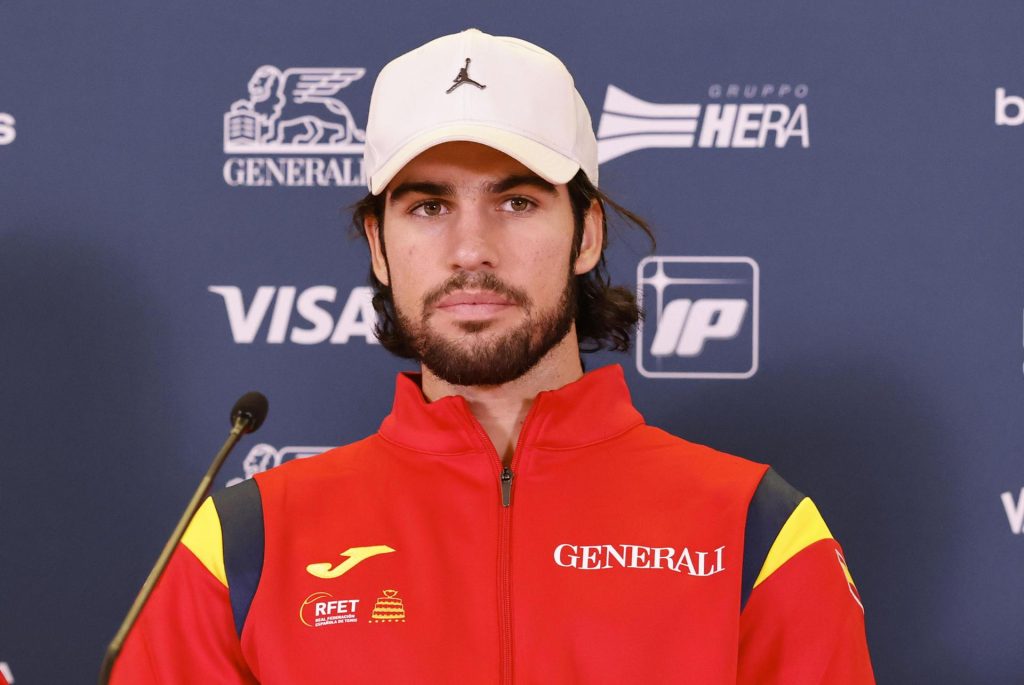
Redacción EFE Qué Pasa Bolonia (Italia), 25 nov (EFE).- El español Carlos Alcaraz afirmó este miércoles que el tenis y él echan de menos al italiano Jannik Sinner, quien se sometió a una operación el martes por su lesión en la rodilla derecha, y agregó que está convencido de que "volverá aún más fuerte y siendo mejor jugador". "Obviamente, el tenis le echa de menos. Yo le echo de menos. No nos vemos desde abril. En cuanto a la decisión de operarse, creo que fue una decisión que tomó el equipo", dijo el español en rueda de prensa desde Bolonia, con motivo de la Copa Davis. "Es joven y todavía tiene muchos años de carrera por delante, así que estoy convencido de que volverá aún más fuerte y siendo mejor jugador", agregó. El de El Palmar (Murcia), que se enfrentó a Sinner durante su carrera hasta en diecisiete ocasiones, con un balance de 10 victorias a su favor y siete derrotas, subrayó que está deseando verle entrenar de nuevo y volver a la pista.
This excerpt comes from the named source. Read the original for the full reporting.
Read the original at Qué Pasa


