Local
Algiers Flood Project: General De Gaulle Drive Update
A Roundtable is a way to meet new people and discuss this article in person at a local coffee shop or other venue.
Roundtables are designed for groups of four, with a shared subject and room for everyone to speak. Come for discussion, with no dating expectation.
Source: Hoodline
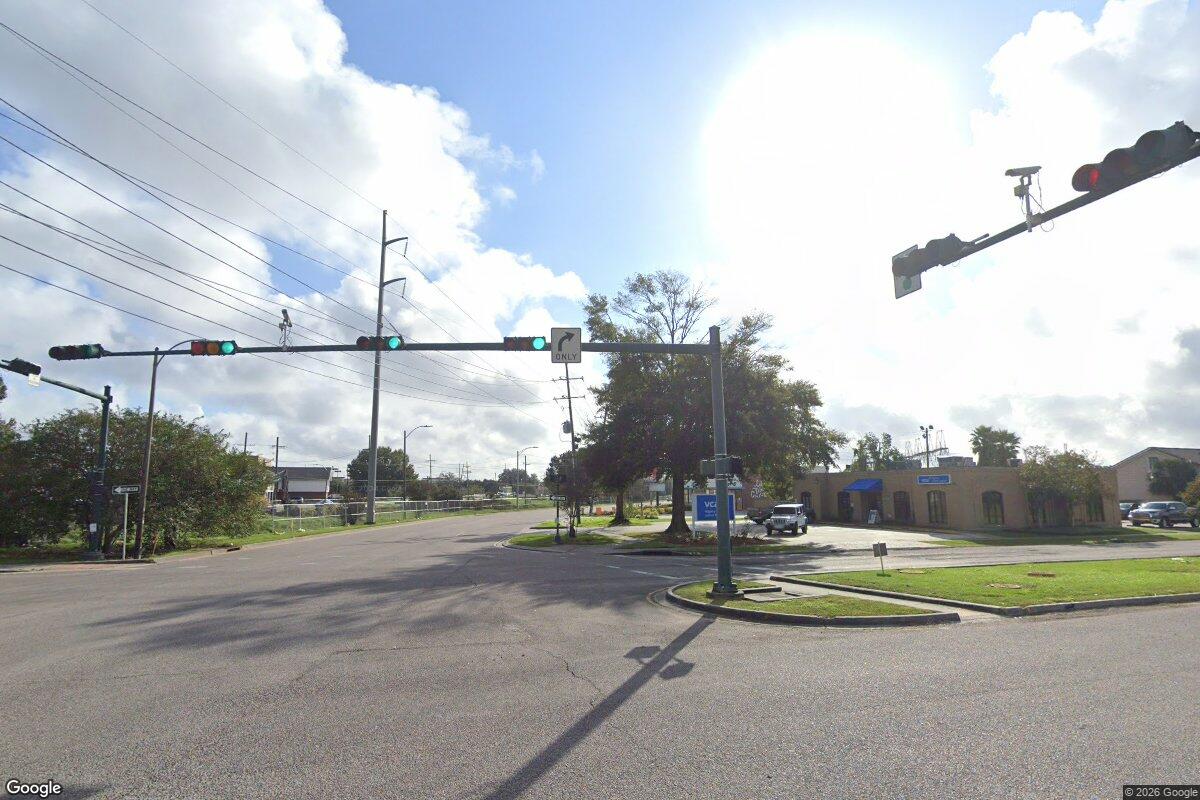
Steel-reinforced concrete channels are steadily taking shape along General De Gaulle Drive in Algiers, part of a federal flood control effort that officials say is making significant progress. The U-shaped flumes are designed to collect, store and redirect stormwater through the drainage system, with embedded steel meant to withstand the pressure of surrounding soil, groundwater and the weight of traffic overhead. The work falls under what the DVIDS describes as SELA 72.2, a piece of the broader Southeast Louisiana Urban Flood Control Project. According to the same account, the finished channels will stretch more than 2.3 miles along General De Gaulle Drive once construction wraps up. As reported by WWLTV, the Army Corps of Engineers says it is making progress on flood-protection work in Algiers, and the broader Southeast Louisiana Urban Flood Control Project spans Jefferson and Orleans parishes.
This excerpt comes from the named source. Read the original for the full reporting.
Read the original at Hoodline