Local
Alter Bridge’s Spokanite frontman Myles Kennedy brings the band home for the holidays
A Roundtable is a way to meet new people and discuss this article in person at a local coffee shop or other venue.
Roundtables are designed for groups of four, with a shared subject and room for everyone to speak. Come for discussion, with no dating expectation.
Source: inlander.com
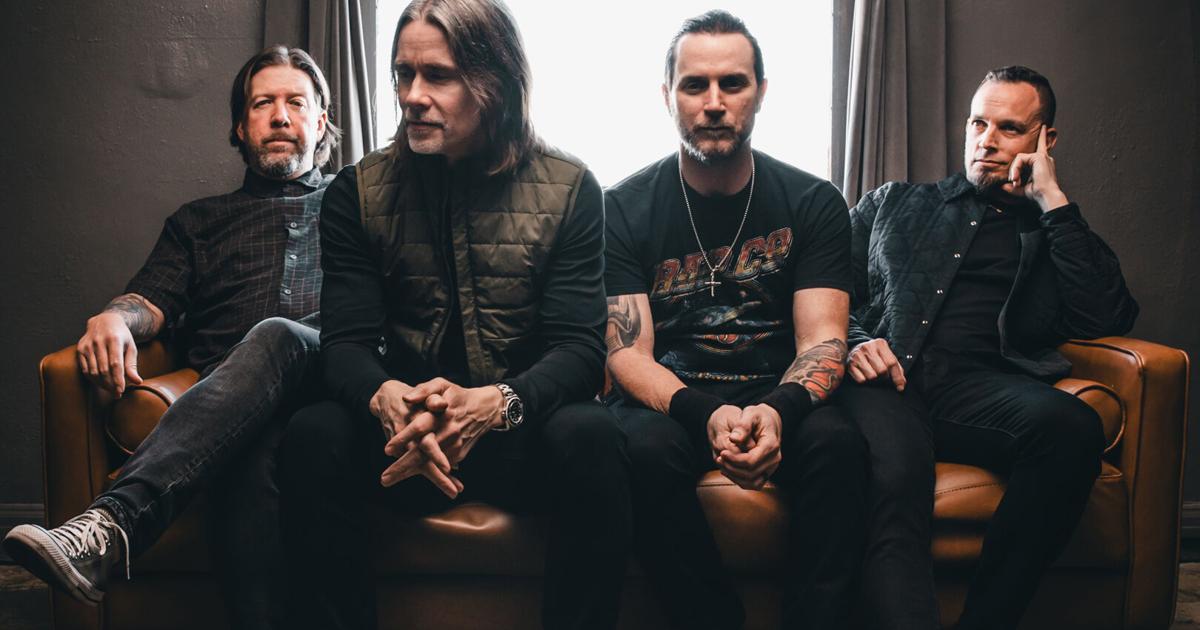
Myles Kennedy (second from left) brings the vocal power to Alter Bridge. Chuck Brueckmann Photo While it’ll be tough for anyone to dethrone Bing Crosby as Spokane’s signature musician, there shouldn’t really be a debate about who is the biggest rockstar to call the Lilac City home. The answer is Myles Kennedy.The singer and guitarist made a name for himself fronting the Spokane band The Mayfield Four in the late ’90s, and while the band never took off on a national level, Kennedy’s skills as a singer garnered the attention of many notable names in the rock world. When Creed initially broke up in 2004, the instrumentalists for the rock hitmakers — guitarist Mark Tremonti, drummer Scott Phillips, and bassist Brian Marshall — still wanted to keep making music together. With Creed having toured with The Mayfield Four as an opener, the guys reached out to Kennedy and formed the band Alter Bridge.
This excerpt comes from the named source. Read the original for the full reporting.
Read the original at inlander.com



