Local
American Opinion: Schools want Google without the AI
A Roundtable is a way to meet new people and discuss this article in person at a local coffee shop or other venue.
Roundtables are designed for groups of four, with a shared subject and room for everyone to speak. Come for discussion, with no dating expectation.
Source: West Central Tribune
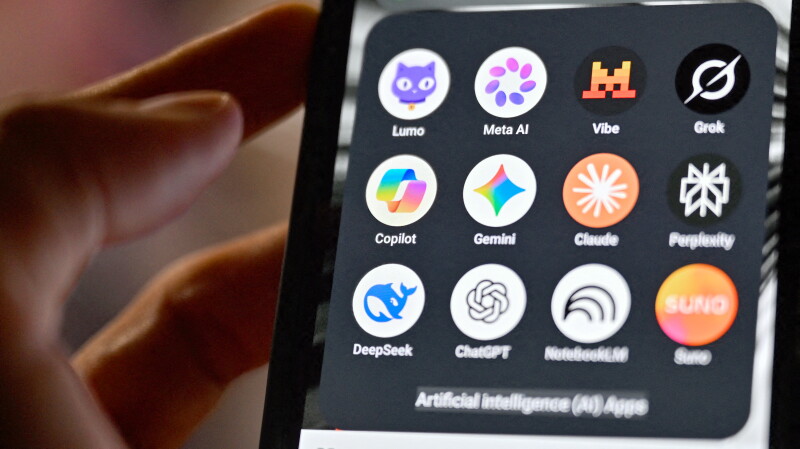
Chicago Public Schools is blocking artificial intelligence, such as ChatGPT and Google Gemini, on school devices in order to protect student privacy and safety. CPS isn’t alone in this. Los Angeles and New York both have school district AI bans of their own. Problem is, in doing so CPS may have Google search access cut off, too. Google now argues AI is so integrated into search that it would be impossible to separate the two. If CPS turns off generative AI, it loses search. Yet the AI summaries that appear at the top of Google searches today are a relatively new feature for a search engine that has long dominated the marketplace. And CPS — a large and not insignificant client — is telling its vendor it wants one product but not the other. Is it really impossible to separate the two? Yes, says Google, though we don’t see how such a request presents a technical impossibility. But even if it is, this is a challenge worth solving.
This excerpt comes from the named source. Read the original for the full reporting.
Read the original at West Central Tribune



