Local
An atlas of places that no longer exist: how climate change is rewriting the books on our shelves
A Roundtable is a way to meet new people and discuss this article in person at a local coffee shop or other venue.
Roundtables are designed for groups of four, with a shared subject and room for everyone to speak. Come for discussion, with no dating expectation.
Source: Meteored United States
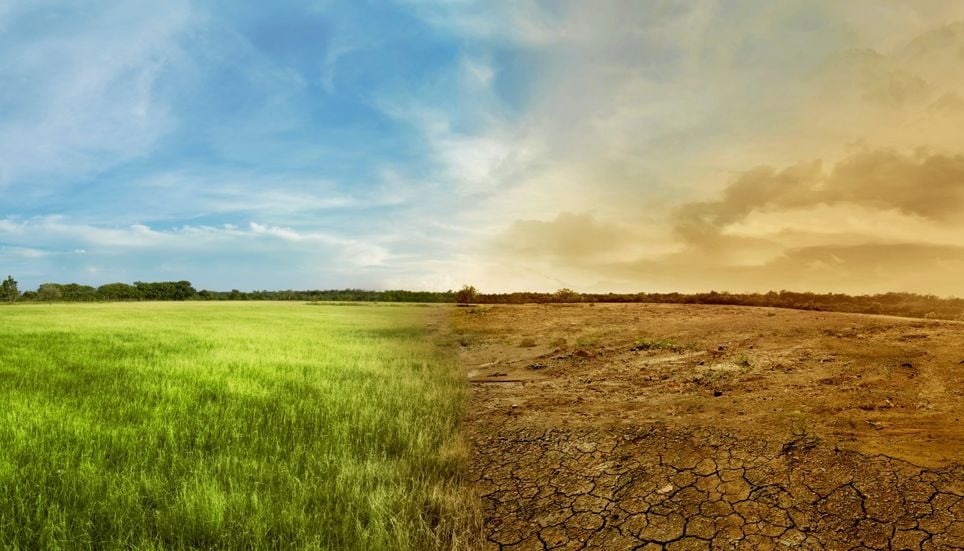
Global average sea level has risen by 10 cm (4 inches) since 1993. When a landscape changes, it also changes how it gets depicted in books. Landscapes get frozen in time in literature, changing the way they are read in the future. On August 26, 2026, a mass of ice and rock broke away in the Himalayas. It became an avalanche full of debris and water that barreled down the Nepal-Tibet border. Glaciers are visibly retreating in this region, as well as thawing permafrost, which could have triggered the avalanche. Events like these leave their marks on people’s lives as well as in written form. Examples within Literature The Sea Around Us, Rachel Carson’s book from 1951 reiterates to readers that the land and sea boundary has never been stable. Oceans have always been advancing and receding. Now, however, it is the speed of this transformation that is alarming, and human influence.
This excerpt comes from the named source. Read the original for the full reporting.
Read the original at Meteored United States