Local
An attitude of gratitude
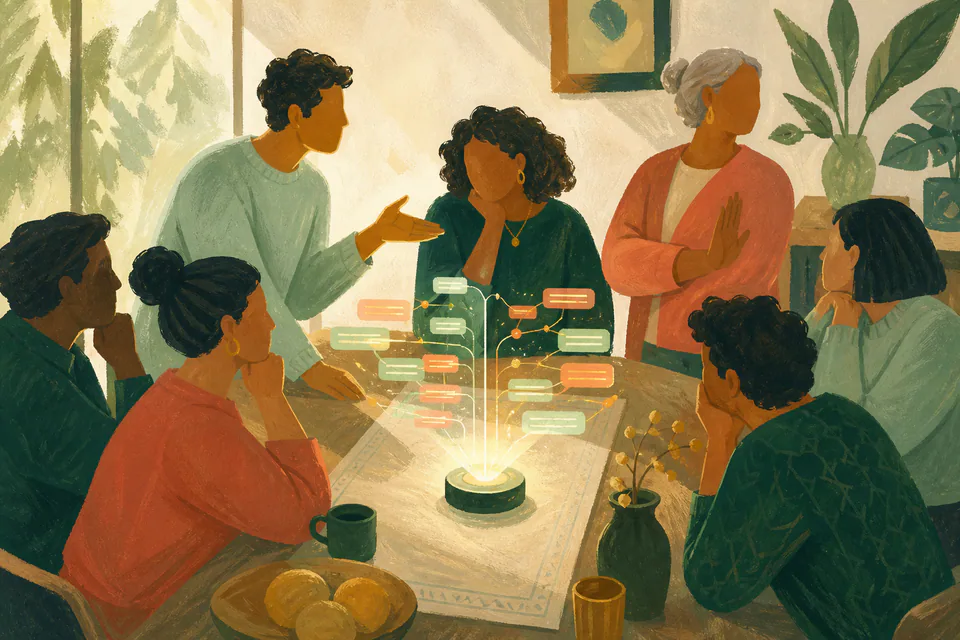
A Roundtable is a way to meet new people and discuss this article in person at a local coffee shop or other venue.
Roundtables are designed for groups of four, with a shared subject and room for everyone to speak. Come for discussion, with no dating expectation.
Source: The Post Searchlight

Once upon a time, a mother and her 4-year-old daughter were making their way through an outdoor market in the town where they lived. Spotting the little child staring at a large display of oranges, the generous vendor took one from the table and gave it to her. “What do you say to the nice man?” the mother asked. Looking at the orange, the child pointed it toward the man and said, “Peel it!” This is a “cute” little story, one which might trigger a chuckle. Yet, in all seriousness, it illustrates a prevailing attitude that permeates our culture, one of entitlement and lack of appreciation. Someone said, “Never in history have people had more, yet appreciated it less.” While that may be true, a lack of thankfulness is certainly nothing new. Luke’s Gospel records the account of Jesus healing 10 lepers, yet only one, an “outsider” at that, took the time to express thanks. As the Lord said, “Were there not ten cleansed? But the nine-where are they?” (Luke 17:17).
This excerpt comes from the named source. Read the original for the full reporting.
Read the original at The Post Searchlight