Local
Anne Young Lloyd
A Roundtable is a way to meet new people and discuss this article in person at a local coffee shop or other venue.
Roundtables are designed for groups of four, with a shared subject and room for everyone to speak. Come for discussion, with no dating expectation.
Source: Webster-Kirkwood Times
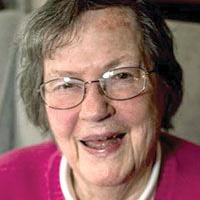
Lloyd, Anne Young: Nov. 13, 1927 — Oct. 2, 2026. With gratitude for a life well lived and deeply loved, we celebrate the life of Anne Young Lloyd, who passed away on Oct. 2, 2026, at the age of 98. Anne was born on Nov. 13, 1927, in St. Louis, Missouri, to Truman Post Young and Hilda Jamieson Young. Anne was the third of four children and shared her life with her siblings Truman Young, Hilda Patterson “Pat” Jones, and Frances “Franny” Curry. She grew up in Clayton, Missouri, where she enjoyed lifelong friendships through Mary Institute with a cherished group known as “the Girls.” Among her happiest childhood memories were visits to her family’s weekend cabin and a beloved place known simply as “the Shack,” where she enjoyed the outdoors and family gatherings around her father’s campfire-grilled steaks. Anne attended the University of Colorado in Boulder, where she met H. William Lloyd, who would become her husband and lifelong companion.
This excerpt comes from the named source. Read the original for the full reporting.
Read the original at Webster-Kirkwood Times