Local
Army blows up bomb chemicals in Iowa despite fears a toxic plume could endanger residents
A Roundtable is a way to meet new people and discuss this article in person at a local coffee shop or other venue.
Roundtables are designed for groups of four, with a shared subject and room for everyone to speak. Come for discussion, with no dating expectation.
Source: The Intelligencer & Wheeling News Register
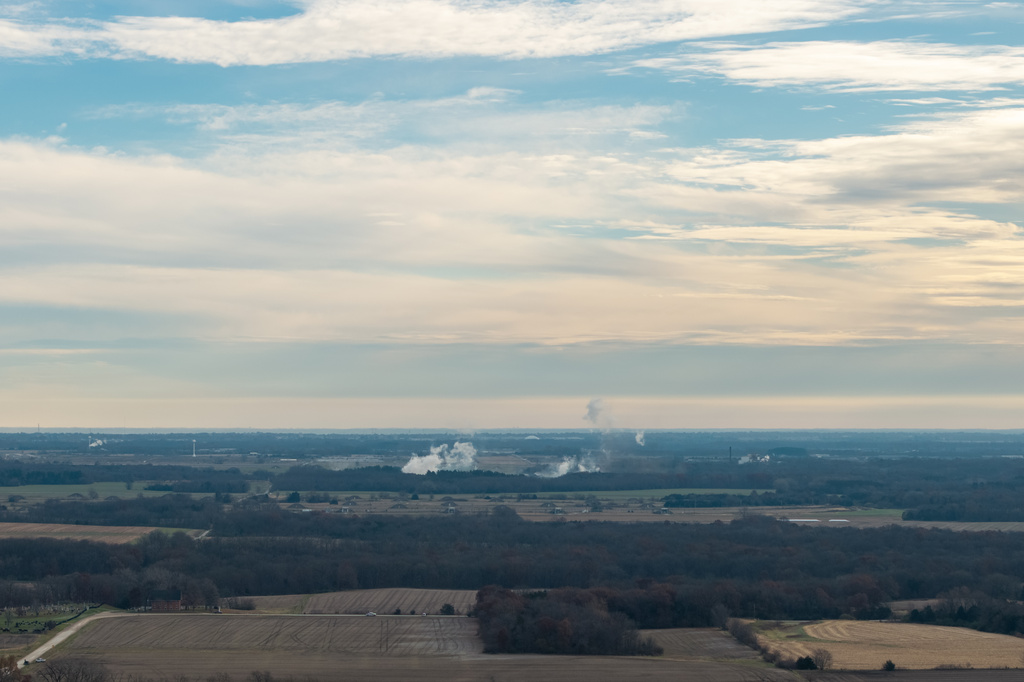
MIDDLETOWN, Iowa (AP) — The U.S. Army intentionally blew up the nation’s entire stockpile of lead azide at an ammunition plant in southeastern Iowa on Wednesday after officials said the 5 tons of degraded bomb-making materials were at risk of exploding uncontrollably as temperatures cooled. The controlled detonation set off concerns about potential health and environmental impacts from lead dust, and frustration over a lack of information. Video footage from several miles away showed two white plumes rolling over the detonation site before the clouds quickly dissipated. Journalists reported hearing a loud boom at the same time, around 9 a.m. Despite warnings to stay inside, some residents pulled to the side of a road to watch the blast upwind from the Iowa Army Ammunition Plant in Middletown.
This excerpt comes from the named source. Read the original for the full reporting.
Read the original at The Intelligencer & Wheeling News Register