Local
Artists at Work Across Mediums
Meet in Common connects news with real conversations. Use ThinkMatch to arrange a Roundtable and meet people to discuss this story.
Source: The East Hampton Star
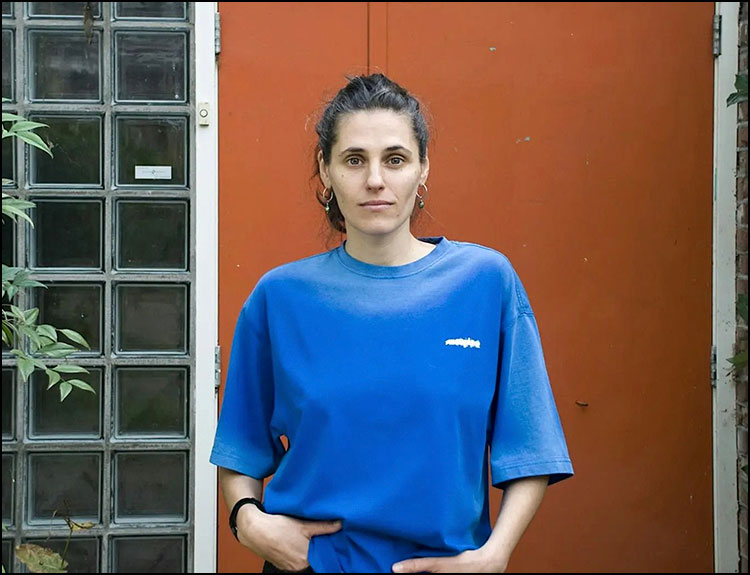
Share on Facebook Share on Twitter Share through email Published 4 days ago Last updated 3 days ago Egle Budvytyte is a multidisciplinary artist in residence at the Watermill Center. Courtesy of the Watermill Center By Mark Segal November 12, 2026 In Process @ the Watermill Center, an ongoing series of studio visits and open rehearsals featuring its artists in residence, will return tomorrow at 5:30 p.m. with presentations by Egle Budvytyte, Ana Mazzei, Wei Xiong, and Emma Ofosua Donkor. The representative of Lithuania at the 2026 Venice Biennale, Budvytyte works across visual and performing arts. Through songs, poetry, video, and performance, she approaches movement and gesture as means to subvert normativity, gender and social roles, and the relationships among human bodies, audiences, and environments.
This excerpt comes from the named source. Read the original for the full reporting.
Read the original at The East Hampton Star


