Local
As Bay Area Cities Break Up With Flock, Pushback to Surveillance Mounts in SF | KQED
Meet in Common connects news with real conversations. Use ThinkMatch to arrange a Roundtable and meet people to discuss this story.
Source: KQED
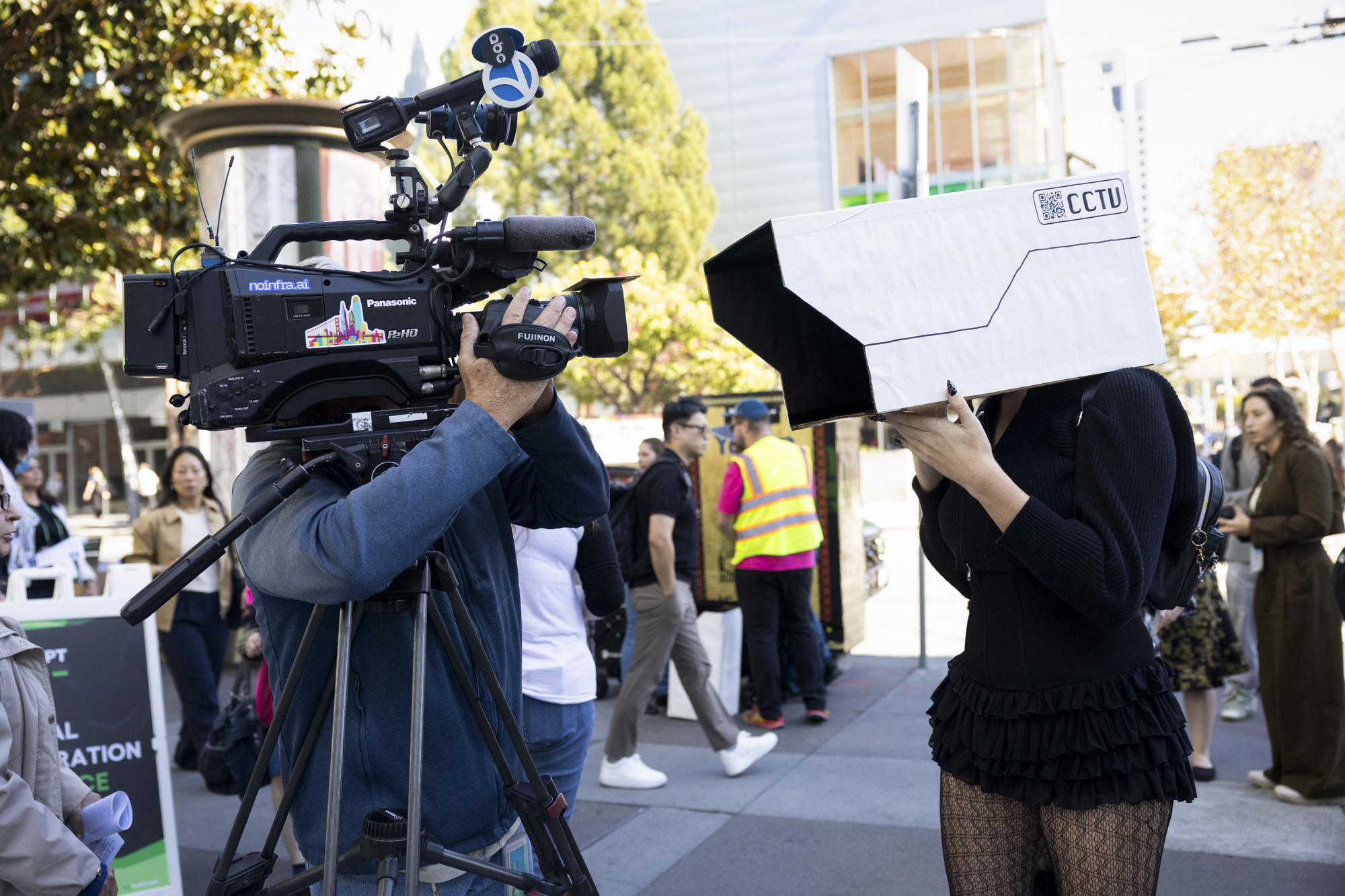
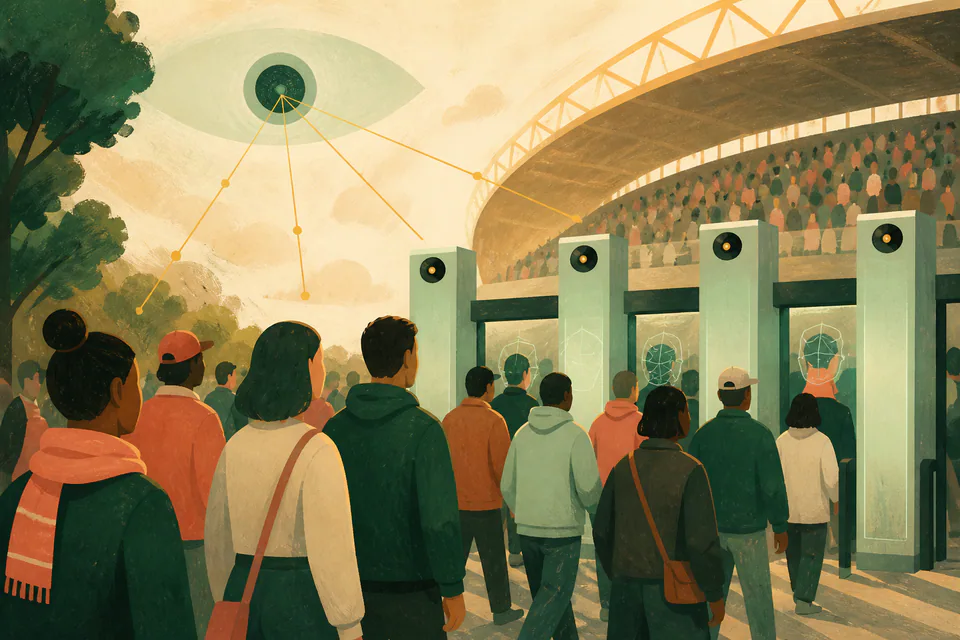
As Bay Area cities set stricter guardrails or break up entirely with automated license plate reader tools like Flock in the face of intense criticism from constituents, many elected officials in San Francisco are doubling down on their support for the surveillance technology. From Mayor Daniel Lurie to supervisors like Matt Dorsey and other local Democratic Party leaders, they say the cameras have aided law enforcement and reduced crime. Critics say they are a gross invasion of privacy. Tensions over the city’s use of Flock have fueled protests and fiery public comment as San Francisco prepares to reconsider its contract with the controversial Atlanta-based company next February and as the election next month spurs widespread debate about artificial intelligence and surveillance technology. “I don’t feel safe being watched.
This excerpt comes from the named source. Read the original for the full reporting.
Read the original at KQED