Local
Aspen Journalism: A record-breaking drought tested the Western Slope. Cooperation helped water users get through it
A Roundtable is a way to meet new people and discuss this article in person at a local coffee shop or other venue.
Roundtables are designed for groups of four, with a shared subject and room for everyone to speak. Come for discussion, with no dating expectation.
Source: Snowmass Village Sun
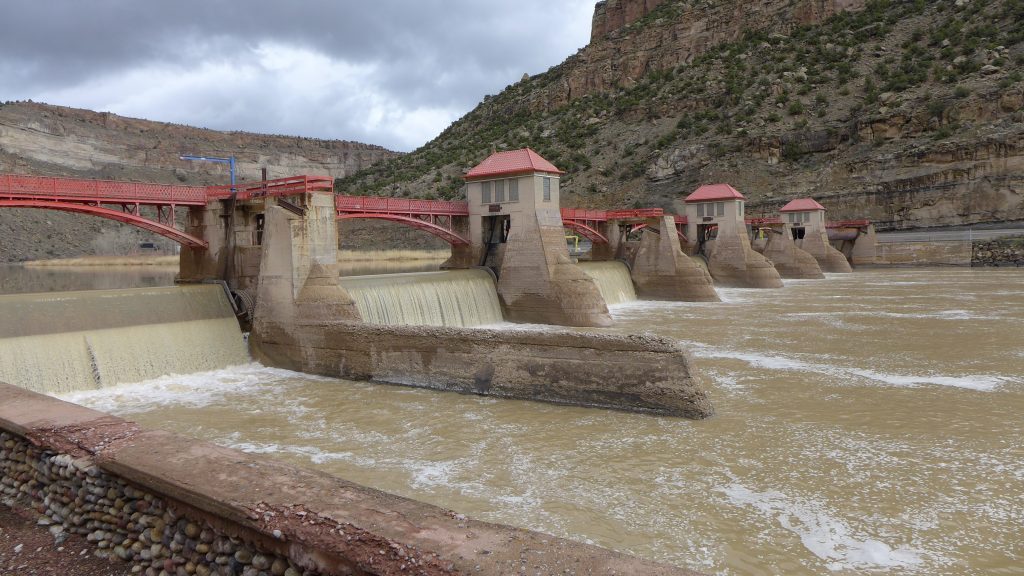
Water Year 2026 was one of the most consequential in Colorado’s modern history, with record-shattering heat, the lowest-ever April 1 mountain snowpack and exceptionally poor runoff. To try to make sense of this water year and its effects, Aspen Journalism examined stream gauge data from around the Western Slope. The U.S. Geological Survey tracks river flows in real time through a network of gauges throughout the West. The data showed just how unprecedented this year was, with about one-third of stream gauges across the Western Slope having the lowest cumulative flows ever recorded. We found that about 33% of the stream gauges on the Western Slope (59 of 178) recorded a record-low cumulative flow for Water Year 2026. This year had about twice as many days as with record-low flows than 2002, another benchmark drought year. Measuring streamflows is critical to water management in the Colorado River Basin.
This excerpt comes from the named source. Read the original for the full reporting.
Read the original at Snowmass Village Sun