Local
Aspen Vail Ice Sculpting Brings Winter Artistry to the Rockies
A Roundtable is a way to meet new people and discuss this article in person at a local coffee shop or other venue.
Roundtables are designed for groups of four, with a shared subject and room for everyone to speak. Come for discussion, with no dating expectation.
Source: Snowmass Village Sun
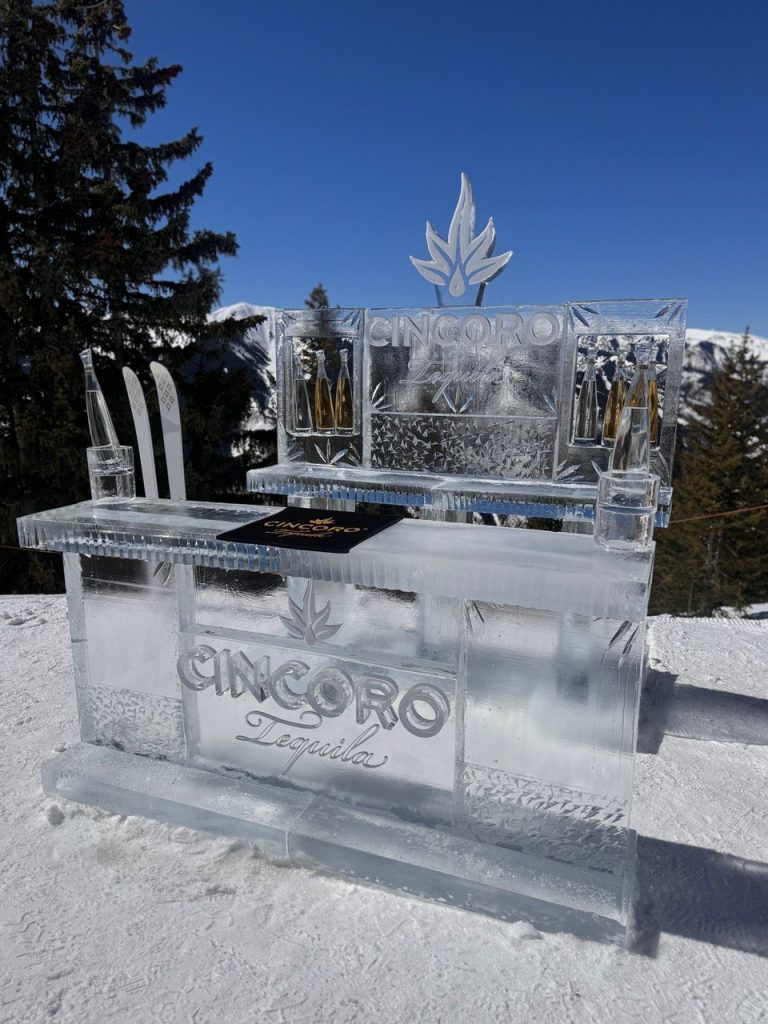
As the snow begins to blanket Colorado’s mountain towns, the artistry of Aspen Vail Ice Sculpting takes center stage, transforming blocks of ice into dazzling works of frozen beauty. Led by master sculptor Scott Rella and partner Bryan Park , the company has become a hallmark of winter creativity across Colorado. Known for their precision, craftsmanship, and imagination, Park and Rella have elevated ice carving from novelty to fine art. Their sculptures — ranging from hand sculpted pieces and interactive company branding to large-scale event installations — can be found at ski resorts, festivals, weddings, and luxury events throughout the Rockies. Each piece is meticulously designed to capture the spirit of the season, glistening under the mountain sun or glowing beneath evening lights. “We love that our work brings people together,” says co-owner Bryan Park, who purchased the company in 2022.
This excerpt comes from the named source. Read the original for the full reporting.
Read the original at Snowmass Village Sun


