Local
Astro Bob: Add stellar sparkle to your holiday season
A Roundtable is a way to meet new people and discuss this article in person at a local coffee shop or other venue.
Roundtables are designed for groups of four, with a shared subject and room for everyone to speak. Come for discussion, with no dating expectation.
Source: Duluth News Tribune
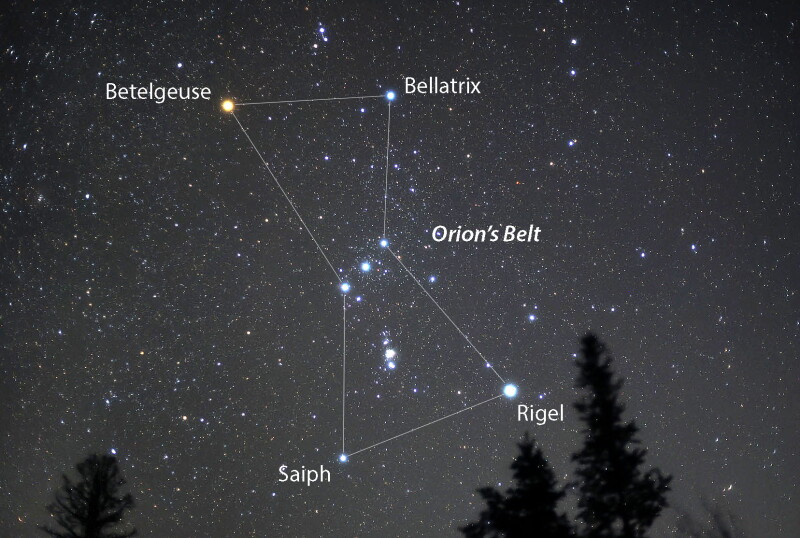
A throng of bright winter stars shimmies up the eastern sky just in time for the Christmas season. Saturn is still the brightest "star" in the southern sky during the early evening hours, while Jupiter pokes his head above the treetops around 11 p.m. Mars passed Jupiter last month, moving east and now rises about 45 minutes after it. Both planets are in Leo the Lion and stationed on either side of its brightest star, Regulus. December’s biggest event is the annual Geminid meteor shower, richest of the year. You can start watching as early as 9 p.m., but the later you're up, the more you'll see. After midnight is best. Geminids originate from debris shed by Phaethon (FAY-eh-thon), a small, 3.5-mile-wide asteroid. Every December, Earth crosses Phaethon’s orbit, and dust and rocks flare as meteors when they strike the atmosphere at 78,000 miles per hour. Our featured constellation is Orion the Hunter. You’re probably already familiar with the bright trio of stars that form his belt.
This excerpt comes from the named source. Read the original for the full reporting.
Read the original at Duluth News Tribune


