Local
At Ancram Center, community takes center stage
A Roundtable is a way to meet new people and discuss this article in person at a local coffee shop or other venue.
Roundtables are designed for groups of four, with a shared subject and room for everyone to speak. Come for discussion, with no dating expectation.
Source: Lakeville Journal
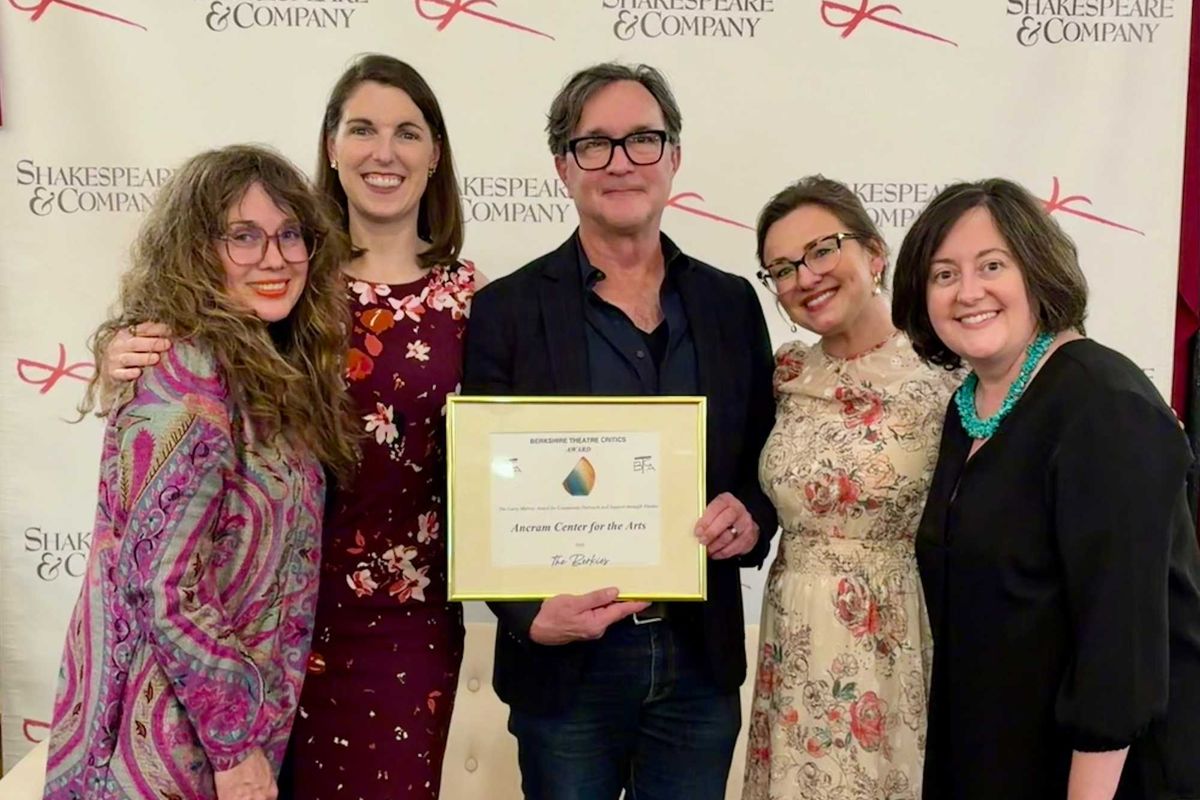
At the Ancram Center for the Arts, the stage has been host to numerous award winning professional actors, but it also often belongs to a neighbor with a story to tell. Other times, the performance moves out of the theater altogether, transforming a pond, a field or a corner of town into a stage. That commitment to bringing theater into the community — and the community into the theater — has earned the Ancram Center the Larry Murray Award for Community Outreach and Support through Theater, one of the Berkshire Theatre Critics Association’s annual Berkie Awards. “We feel like we are contributing a lot to the community, so it’s nice to have that work recognized,” said Ancram Center co-director Jeff Mousseau. For Mousseau, the award recognizes something fundamental to the theater’s identity. “From the get-go, from when we first started running the joint here, the connection of community with theater is sort of central to our DNA,” he said.
This excerpt comes from the named source. Read the original for the full reporting.
Read the original at Lakeville Journal