Local
Audit finds $2.2M in errors while reviewing North Dakota Child Care Assistance Program
A Roundtable is a way to meet new people and discuss this article in person at a local coffee shop or other venue.
Roundtables are designed for groups of four, with a shared subject and room for everyone to speak. Come for discussion, with no dating expectation.
Source: McKenzie County Farmer
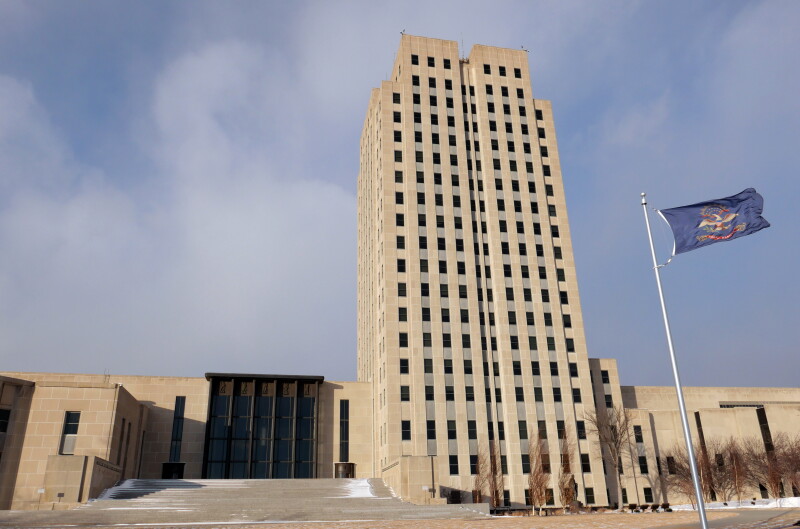
BISMARCK — A North Dakota audit has found more than $2.2 million in errors after examining payments from the state's Child Care Assistance Program over the course of three years, according to a report from the State Auditor's office. The report, released Tuesday, Nov. 24, reviewed the state program, which administers funds to help eligible families pay for childcare services, from Jan. 1, 2023, to Jan. 31, 2026. Auditors found inaccurate reports of family income, provider overbilling and payments for ineligible children, including 14 without confirmed immigration status. The performance audit examined $185.5 million in payments, meaning errors made up about 1% of the program, according to the North Dakota Department of Health and Human Services. HHS, which oversees the program, said in a news release that it takes the findings of the audit seriously.
This excerpt comes from the named source. Read the original for the full reporting.
Read the original at McKenzie County Farmer


