Local
Avian malaria linked to loss of ʻakikiki in wild, new research says; more extinctions of native forest birds coming
A Roundtable is a way to meet new people and discuss this article in person at a local coffee shop or other venue.
Roundtables are designed for groups of four, with a shared subject and room for everyone to speak. Come for discussion, with no dating expectation.
Source: Maui Now
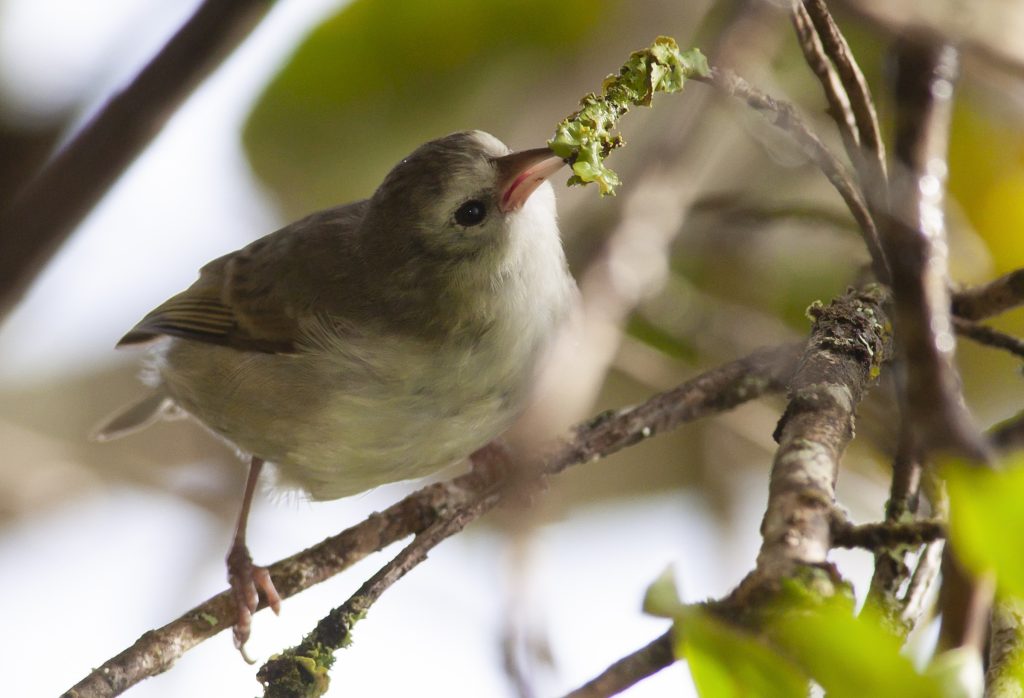
The ʻakikiki, a native Hawaiian forest bird found only on Kauaʻi, is now thought to be extinct in the wild. The last-known individual, nicknamed “Pakele,” was observed Aug. 29, 2025, and not seen since. New research strongly implicates avian malaria, transmitted by non-native mosquitoes, in the collapse of the species. Scientists warn that preventing further forest bird extinctions on Kauaʻi and throughout Hawaiʻi will require emergency conservation breeding and translocations alongside expanded mosquito control. The study — published in Ornithological Applications — was conducted by Justin Hite, Lisa Crampton and Eben Paxton with funding from Hawai’i Department of Land and Natural Resources Division of Forestry and Wildlife and U.S. Fish and Wildlife Service. It draws on monitoring from 2015 to 2022 by Kauaʻi Forest Bird Recovery Project.
This excerpt comes from the named source. Read the original for the full reporting.
Read the original at Maui Now