Local
Baylor is expected to hire UTSA’s Jeff Traylor as next head coach
A Roundtable is a way to meet new people and discuss this article in person at a local coffee shop or other venue.
Roundtables are designed for groups of four, with a shared subject and room for everyone to speak. Come for discussion, with no dating expectation.
Source: The Baylor Lariat
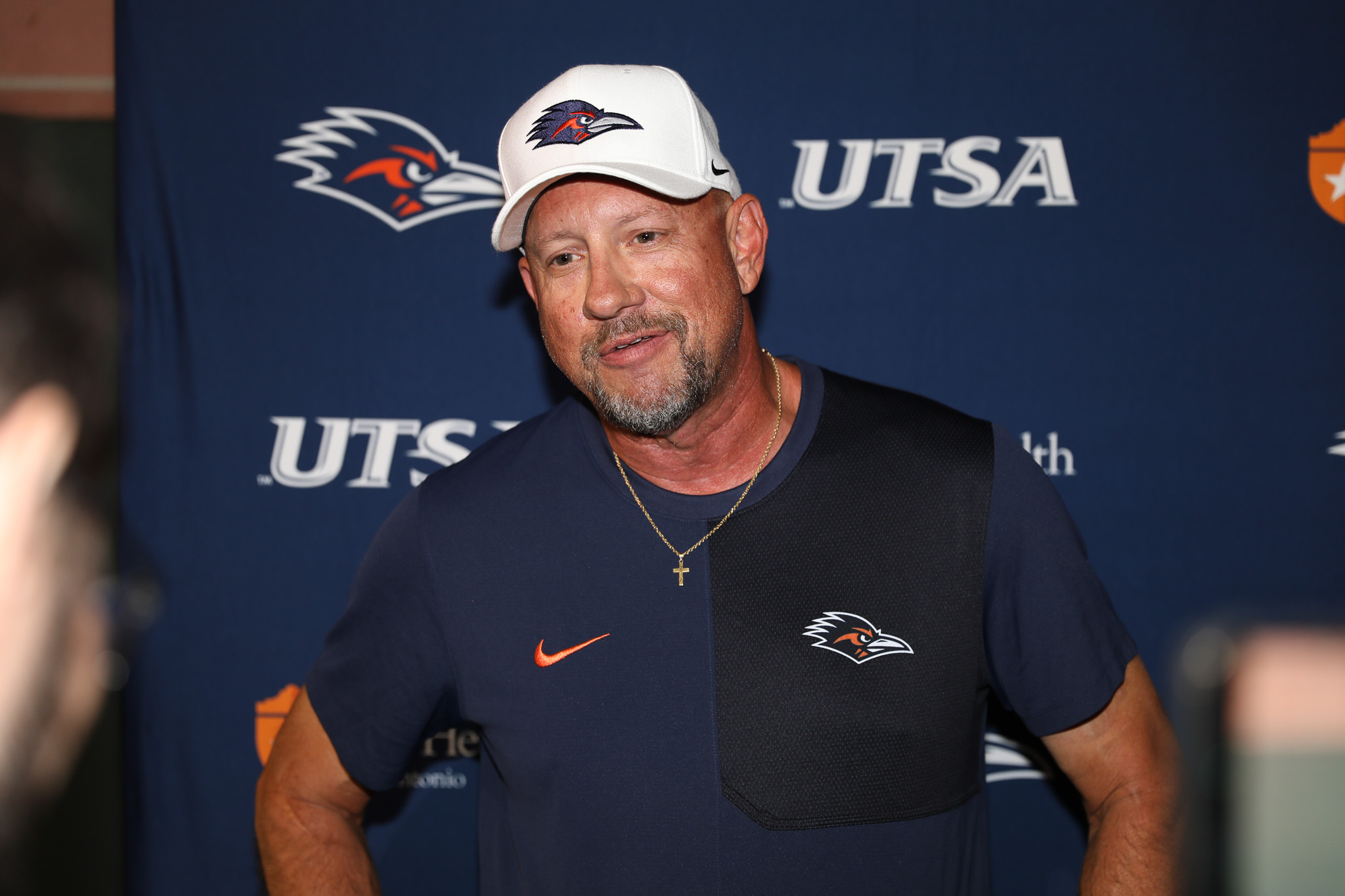
By Jeffrey Cohen | Sports Editor, Brooke Cranford | LTVN Sports Director Baylor is expected to hire UTSA head coach Jeff Traylor as its next head coach, according to Pete Thamel. Both sides are working toward a deal that is expected to be finalized in the coming days. LTVN’s Brooke Cranford has more. Traylor became one of the names thrown around in head coach discussions following Dave Aranda’s firing on Oct. 25. On3’s Pete Nakos reported Tuesday that Traylor emerged as the top contender for the vacant position. Traylor signed a 10-year, $28 million contract extension with UTSA in 2021. The buyout for Traylor to leave the Roadrunners is $4 million. He used his current contract and focus on his team to ease UTSA fans’ worries about him leaving for a Power Four job. Traylor has faced similar rumors for multiple years before the Baylor position opened. He credited his players for the team’s sustained success and making him a seemingly prime target for larger programs.
This excerpt comes from the named source. Read the original for the full reporting.
Read the original at The Baylor Lariat


